Absconditella Vezda
Commonly known as
Absconditella Lichen
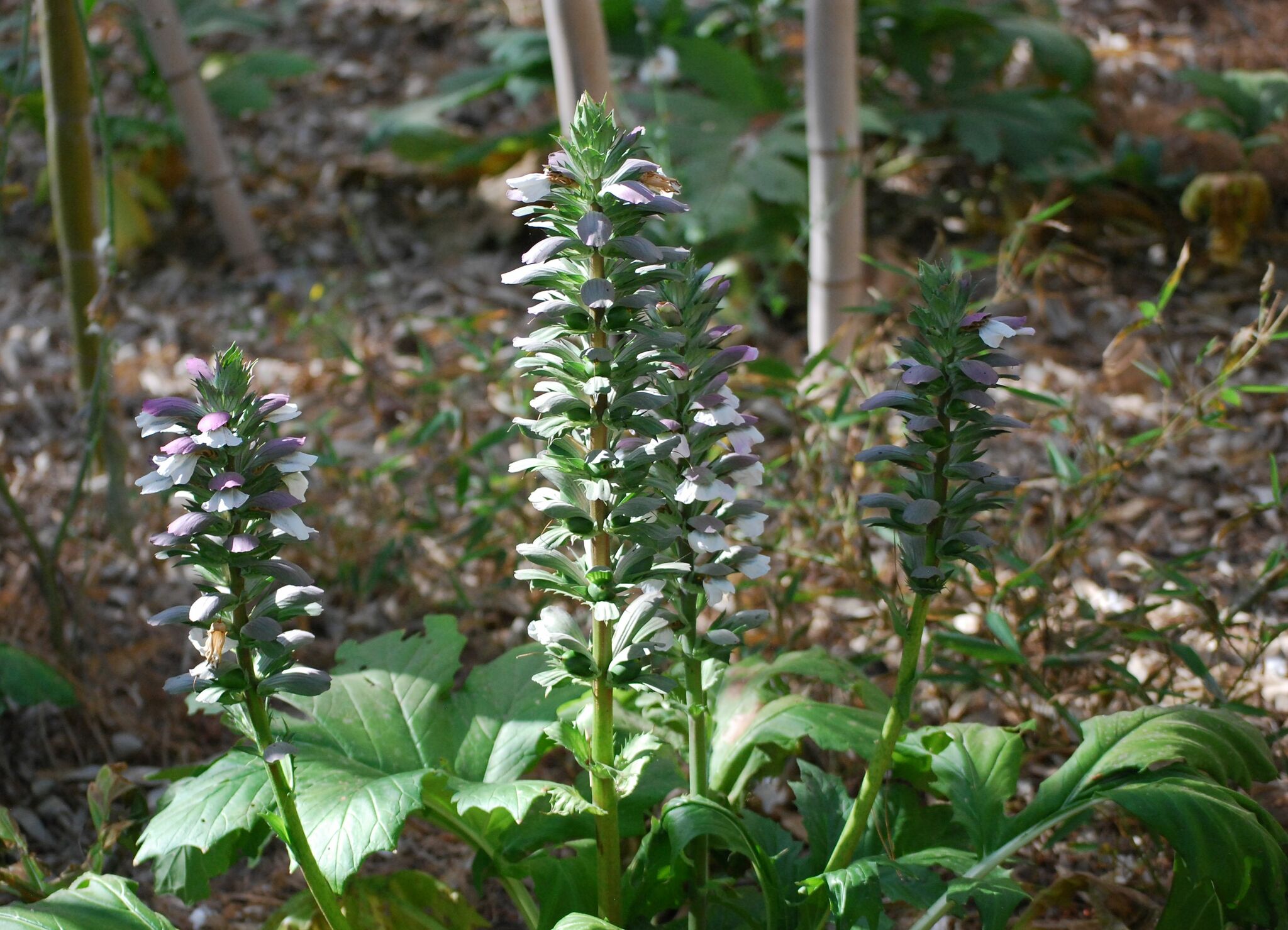
Absconditella Vezda is a genus of inconspicuous crustose lichens in the Stictidaceae family. Found on decaying wood, bark, and mosses in moist, shaded forests, these small lichens form thin, pale patches and prefer undisturbed, humid microhabitats.
Absconditella Vezda
Commonly known as
Absconditella Lichen
Absconditella Vezda is a genus of inconspicuous crustose lichens in the Stictidaceae family. Found on decaying wood, bark, and mosses in moist, shaded forests, these small lichens form thin, pale patches and prefer undisturbed, humid microhabitats.
Absconditella Vezda
Commonly known as
Absconditella Lichen
Absconditella Vezda is a genus of inconspicuous crustose lichens in the Stictidaceae family. Found on decaying wood, bark, and mosses in moist, shaded forests, these small lichens form thin, pale patches and prefer undisturbed, humid microhabitats.
Absconditella Vezda
Commonly known as
Absconditella Lichen
Absconditella Vezda is a genus of inconspicuous crustose lichens in the Stictidaceae family. Found on decaying wood, bark, and mosses in moist, shaded forests, these small lichens form thin, pale patches and prefer undisturbed, humid microhabitats.
Absconditella Vezda
Commonly known as
Absconditella Lichen
Absconditella Vezda is a genus of inconspicuous crustose lichens in the Stictidaceae family. Found on decaying wood, bark, and mosses in moist, shaded forests, these small lichens form thin, pale patches and prefer undisturbed, humid microhabitats.
Absconditella Vezda
Commonly known as
Absconditella Lichen
Absconditella Vezda is a genus of inconspicuous crustose lichens in the Stictidaceae family. Found on decaying wood, bark, and mosses in moist, shaded forests, these small lichens form thin, pale patches and prefer undisturbed, humid microhabitats.
Absconditella Vezda
Commonly known as
Absconditella Lichen
Absconditella Vezda is a genus of inconspicuous crustose lichens in the Stictidaceae family. Found on decaying wood, bark, and mosses in moist, shaded forests, these small lichens form thin, pale patches and prefer undisturbed, humid microhabitats.
Identification & Classification
Color & Surface
Vibrant "highlighter yellow" scales. They turn greenish when wet because the yellow skin becomes see-through, revealing the green algae inside.
Shape & Form
A scaly "crust" made of tiny, flat tiles. It grows in irregular patches that look like cracked paint or a tiled floor on the ground.
Fruiting
Small, sunken black or reddish dots in the center of the scales. These act like "launch pads" to release the lichen's spores.
Growth Habitat & Substrate
Strictly soil-dwelling in dry areas. It grows on dirt or among mosses. Pro tip: if it's on a bare rock, it's a different species.
Taxonomy Classification
Kingdom
Fungi
Division
Ascomycota
Class
Ascomycetes
Order
Ostropales
Family
Stictidaceae Fr.
Genus
Absconditella Vezda
Species
Absconditella Vezda
Identification & Classification
Color & Surface
Vibrant "highlighter yellow" scales. They turn greenish when wet because the yellow skin becomes see-through, revealing the green algae inside.
Shape & Form
A scaly "crust" made of tiny, flat tiles. It grows in irregular patches that look like cracked paint or a tiled floor on the ground.
Fruiting
Small, sunken black or reddish dots in the center of the scales. These act like "launch pads" to release the lichen's spores.
Growth Habitat & Substrate
Strictly soil-dwelling in dry areas. It grows on dirt or among mosses. Pro tip: if it's on a bare rock, it's a different species.
Taxonomy Classification
Kingdom
Fungi
Division
Ascomycota
Class
Ascomycetes
Order
Ostropales
Family
Stictidaceae Fr.
Genus
Absconditella Vezda
Species
Absconditella Vezda
Identification & Classification
Color & Surface
Vibrant "highlighter yellow" scales. They turn greenish when wet because the yellow skin becomes see-through, revealing the green algae inside.
Shape & Form
A scaly "crust" made of tiny, flat tiles. It grows in irregular patches that look like cracked paint or a tiled floor on the ground.
Fruiting
Small, sunken black or reddish dots in the center of the scales. These act like "launch pads" to release the lichen's spores.
Growth Habitat & Substrate
Strictly soil-dwelling in dry areas. It grows on dirt or among mosses. Pro tip: if it's on a bare rock, it's a different species.
Taxonomy Classification
Kingdom
Fungi
Division
Ascomycota
Class
Ascomycetes
Order
Ostropales
Family
Stictidaceae Fr.
Genus
Absconditella Vezda
Species
Absconditella Vezda
Identification & Classification
Color & Surface
Vibrant "highlighter yellow" scales. They turn greenish when wet because the yellow skin becomes see-through, revealing the green algae inside.
Shape & Form
A scaly "crust" made of tiny, flat tiles. It grows in irregular patches that look like cracked paint or a tiled floor on the ground.
Fruiting
Small, sunken black or reddish dots in the center of the scales. These act like "launch pads" to release the lichen's spores.
Growth Habitat & Substrate
Strictly soil-dwelling in dry areas. It grows on dirt or among mosses. Pro tip: if it's on a bare rock, it's a different species.
Taxonomy Classification
Kingdom
Fungi
Division
Ascomycota
Class
Ascomycetes
Order
Ostropales
Family
Stictidaceae Fr.
Genus
Absconditella Vezda
Species
Absconditella Vezda
Identification & Classification
Color & Surface
Vibrant "highlighter yellow" scales. They turn greenish when wet because the yellow skin becomes see-through, revealing the green algae inside.
Shape & Form
A scaly "crust" made of tiny, flat tiles. It grows in irregular patches that look like cracked paint or a tiled floor on the ground.
Fruiting
Small, sunken black or reddish dots in the center of the scales. These act like "launch pads" to release the lichen's spores.
Growth Habitat & Substrate
Strictly soil-dwelling in dry areas. It grows on dirt or among mosses. Pro tip: if it's on a bare rock, it's a different species.
Taxonomy Classification
Kingdom
Fungi
Division
Ascomycota
Class
Ascomycetes
Order
Ostropales
Family
Stictidaceae Fr.
Genus
Absconditella Vezda
Species
Absconditella Vezda
Identification & Classification
Color & Surface
Vibrant "highlighter yellow" scales. They turn greenish when wet because the yellow skin becomes see-through, revealing the green algae inside.
Shape & Form
A scaly "crust" made of tiny, flat tiles. It grows in irregular patches that look like cracked paint or a tiled floor on the ground.
Fruiting
Small, sunken black or reddish dots in the center of the scales. These act like "launch pads" to release the lichen's spores.
Growth Habitat & Substrate
Strictly soil-dwelling in dry areas. It grows on dirt or among mosses. Pro tip: if it's on a bare rock, it's a different species.
Taxonomy Classification
Kingdom
Fungi
Division
Ascomycota
Class
Ascomycetes
Order
Ostropales
Family
Stictidaceae Fr.
Genus
Absconditella Vezda
Species
Absconditella Vezda
Care Requirements
Sunlight
Prefers dappled sunlight or partial shade, mimicking its natural woodland habitat. Too much direct sun can scorch delicate tissues.
Temperature
Best kept in cool to mild temperatures, ideally between 10–20°C. Sensitive to extreme heat or frost, which can inhibit growth.
Nutrient
Does not require supplemental feeding. Gains nutrients from decaying organic matter and atmospheric sources, making fertilization unnecessary.
Soil
Needs well-drained, slightly acidic soil rich in organic matter. Avoid compacted or waterlogged soils to prevent tissue decay.
Maintenance
Minimal maintenance required. Remove debris gently and avoid disturbing the substrate, as the lichen is sensitive to disruption.
Water
Thrives in moderate humidity and requires consistent moisture. Avoid letting the substrate dry out completely, but do not waterlog.
Care Requirements
Sunlight
Prefers dappled sunlight or partial shade, mimicking its natural woodland habitat. Too much direct sun can scorch delicate tissues.
Temperature
Best kept in cool to mild temperatures, ideally between 10–20°C. Sensitive to extreme heat or frost, which can inhibit growth.
Nutrient
Does not require supplemental feeding. Gains nutrients from decaying organic matter and atmospheric sources, making fertilization unnecessary.
Soil
Needs well-drained, slightly acidic soil rich in organic matter. Avoid compacted or waterlogged soils to prevent tissue decay.
Maintenance
Minimal maintenance required. Remove debris gently and avoid disturbing the substrate, as the lichen is sensitive to disruption.
Water
Thrives in moderate humidity and requires consistent moisture. Avoid letting the substrate dry out completely, but do not waterlog.
Care Requirements
Sunlight
Prefers dappled sunlight or partial shade, mimicking its natural woodland habitat. Too much direct sun can scorch delicate tissues.
Temperature
Best kept in cool to mild temperatures, ideally between 10–20°C. Sensitive to extreme heat or frost, which can inhibit growth.
Nutrient
Does not require supplemental feeding. Gains nutrients from decaying organic matter and atmospheric sources, making fertilization unnecessary.
Soil
Needs well-drained, slightly acidic soil rich in organic matter. Avoid compacted or waterlogged soils to prevent tissue decay.
Maintenance
Minimal maintenance required. Remove debris gently and avoid disturbing the substrate, as the lichen is sensitive to disruption.
Water
Thrives in moderate humidity and requires consistent moisture. Avoid letting the substrate dry out completely, but do not waterlog.
Care Requirements
Sunlight
Prefers dappled sunlight or partial shade, mimicking its natural woodland habitat. Too much direct sun can scorch delicate tissues.
Temperature
Best kept in cool to mild temperatures, ideally between 10–20°C. Sensitive to extreme heat or frost, which can inhibit growth.
Nutrient
Does not require supplemental feeding. Gains nutrients from decaying organic matter and atmospheric sources, making fertilization unnecessary.
Soil
Needs well-drained, slightly acidic soil rich in organic matter. Avoid compacted or waterlogged soils to prevent tissue decay.
Maintenance
Minimal maintenance required. Remove debris gently and avoid disturbing the substrate, as the lichen is sensitive to disruption.
Water
Thrives in moderate humidity and requires consistent moisture. Avoid letting the substrate dry out completely, but do not waterlog.
Care Requirements
Sunlight
Prefers dappled sunlight or partial shade, mimicking its natural woodland habitat. Too much direct sun can scorch delicate tissues.
Temperature
Best kept in cool to mild temperatures, ideally between 10–20°C. Sensitive to extreme heat or frost, which can inhibit growth.
Nutrient
Does not require supplemental feeding. Gains nutrients from decaying organic matter and atmospheric sources, making fertilization unnecessary.
Soil
Needs well-drained, slightly acidic soil rich in organic matter. Avoid compacted or waterlogged soils to prevent tissue decay.
Maintenance
Minimal maintenance required. Remove debris gently and avoid disturbing the substrate, as the lichen is sensitive to disruption.
Water
Thrives in moderate humidity and requires consistent moisture. Avoid letting the substrate dry out completely, but do not waterlog.
Care Requirements
Sunlight
Prefers dappled sunlight or partial shade, mimicking its natural woodland habitat. Too much direct sun can scorch delicate tissues.
Temperature
Best kept in cool to mild temperatures, ideally between 10–20°C. Sensitive to extreme heat or frost, which can inhibit growth.
Nutrient
Does not require supplemental feeding. Gains nutrients from decaying organic matter and atmospheric sources, making fertilization unnecessary.
Soil
Needs well-drained, slightly acidic soil rich in organic matter. Avoid compacted or waterlogged soils to prevent tissue decay.
Maintenance
Minimal maintenance required. Remove debris gently and avoid disturbing the substrate, as the lichen is sensitive to disruption.
Water
Thrives in moderate humidity and requires consistent moisture. Avoid letting the substrate dry out completely, but do not waterlog.
Seasonal Behavior
Spring
In spring, growth resumes as moisture and temperatures rise. This is the main period for expansion and spore production.

Autumn
Autumn brings slower growth as temperatures drop. The lichen prepares for winter dormancy by conserving moisture and energy.

Winter
Dormant during winter, surviving cold by reducing metabolic activity. Remains resilient under snow or frost, awaiting spring thaw.

Summer
Growth slows in summer heat. The lichen may become dormant to survive dry spells, resuming activity after rainfall or cooler periods.

Seasonal Behavior
Spring
In spring, growth resumes as moisture and temperatures rise. This is the main period for expansion and spore production.
Autumn
Autumn brings slower growth as temperatures drop. The lichen prepares for winter dormancy by conserving moisture and energy.
Winter
Dormant during winter, surviving cold by reducing metabolic activity. Remains resilient under snow or frost, awaiting spring thaw.
Summer
Growth slows in summer heat. The lichen may become dormant to survive dry spells, resuming activity after rainfall or cooler periods.
Seasonal Behavior
Spring
In spring, growth resumes as moisture and temperatures rise. This is the main period for expansion and spore production.
Autumn
Autumn brings slower growth as temperatures drop. The lichen prepares for winter dormancy by conserving moisture and energy.
Winter
Dormant during winter, surviving cold by reducing metabolic activity. Remains resilient under snow or frost, awaiting spring thaw.
Summer
Growth slows in summer heat. The lichen may become dormant to survive dry spells, resuming activity after rainfall or cooler periods.
Seasonal Behavior
Spring
In spring, growth resumes as moisture and temperatures rise. This is the main period for expansion and spore production.
Autumn
Autumn brings slower growth as temperatures drop. The lichen prepares for winter dormancy by conserving moisture and energy.
Winter
Dormant during winter, surviving cold by reducing metabolic activity. Remains resilient under snow or frost, awaiting spring thaw.
Summer
Growth slows in summer heat. The lichen may become dormant to survive dry spells, resuming activity after rainfall or cooler periods.
Seasonal Behavior
Spring
In spring, growth resumes as moisture and temperatures rise. This is the main period for expansion and spore production.
Autumn
Autumn brings slower growth as temperatures drop. The lichen prepares for winter dormancy by conserving moisture and energy.
Winter
Dormant during winter, surviving cold by reducing metabolic activity. Remains resilient under snow or frost, awaiting spring thaw.
Summer
Growth slows in summer heat. The lichen may become dormant to survive dry spells, resuming activity after rainfall or cooler periods.