Acer L.
Commonly known as
Maple
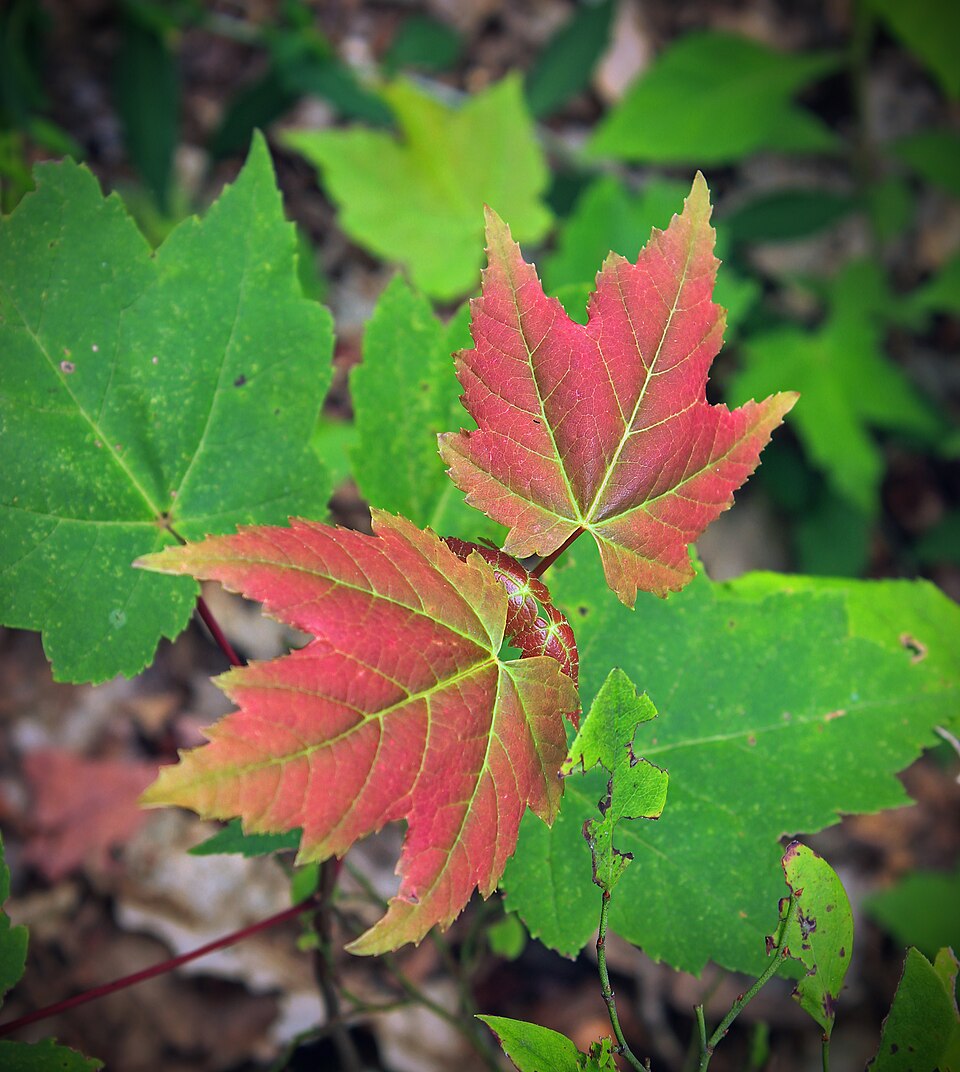
Acer L., commonly known as Maple, is a diverse genus of deciduous trees and shrubs in the Aceraceae family. Famed worldwide for their distinctive lobed leaves, stunning autumn colors, and winged seeds (samaras), maples are valued for timber, syrup production, and ornamental beauty.
Acer L.
Commonly known as
Maple
Acer L., commonly known as Maple, is a diverse genus of deciduous trees and shrubs in the Aceraceae family. Famed worldwide for their distinctive lobed leaves, stunning autumn colors, and winged seeds (samaras), maples are valued for timber, syrup production, and ornamental beauty.
Acer L.
Commonly known as
Maple
Acer L., commonly known as Maple, is a diverse genus of deciduous trees and shrubs in the Aceraceae family. Famed worldwide for their distinctive lobed leaves, stunning autumn colors, and winged seeds (samaras), maples are valued for timber, syrup production, and ornamental beauty.
Acer L.
Commonly known as
Maple
Acer L., commonly known as Maple, is a diverse genus of deciduous trees and shrubs in the Aceraceae family. Famed worldwide for their distinctive lobed leaves, stunning autumn colors, and winged seeds (samaras), maples are valued for timber, syrup production, and ornamental beauty.
Acer L.
Commonly known as
Maple
Acer L., commonly known as Maple, is a diverse genus of deciduous trees and shrubs in the Aceraceae family. Famed worldwide for their distinctive lobed leaves, stunning autumn colors, and winged seeds (samaras), maples are valued for timber, syrup production, and ornamental beauty.
Acer L.
Commonly known as
Maple
Acer L., commonly known as Maple, is a diverse genus of deciduous trees and shrubs in the Aceraceae family. Famed worldwide for their distinctive lobed leaves, stunning autumn colors, and winged seeds (samaras), maples are valued for timber, syrup production, and ornamental beauty.
Acer L.
Commonly known as
Maple
Acer L., commonly known as Maple, is a diverse genus of deciduous trees and shrubs in the Aceraceae family. Famed worldwide for their distinctive lobed leaves, stunning autumn colors, and winged seeds (samaras), maples are valued for timber, syrup production, and ornamental beauty.
Identification & Classification
Color & Surface
Vibrant "highlighter yellow" scales. They turn greenish when wet because the yellow skin becomes see-through, revealing the green algae inside.
Shape & Form
A scaly "crust" made of tiny, flat tiles. It grows in irregular patches that look like cracked paint or a tiled floor on the ground.
Fruiting
Small, sunken black or reddish dots in the center of the scales. These act like "launch pads" to release the lichen's spores.
Growth Habitat & Substrate
Strictly soil-dwelling in dry areas. It grows on dirt or among mosses. Pro tip: if it's on a bare rock, it's a different species.
Taxonomy Classification
Kingdom
Plantae
Division
Magnoliophyta
Class
Magnoliopsida
Order
Sapindales
Family
Aceraceae Juss.
Genus
Acer L.
Identification & Classification
Color & Surface
Vibrant "highlighter yellow" scales. They turn greenish when wet because the yellow skin becomes see-through, revealing the green algae inside.
Shape & Form
A scaly "crust" made of tiny, flat tiles. It grows in irregular patches that look like cracked paint or a tiled floor on the ground.
Fruiting
Small, sunken black or reddish dots in the center of the scales. These act like "launch pads" to release the lichen's spores.
Growth Habitat & Substrate
Strictly soil-dwelling in dry areas. It grows on dirt or among mosses. Pro tip: if it's on a bare rock, it's a different species.
Taxonomy Classification
Kingdom
Plantae
Division
Magnoliophyta
Class
Magnoliopsida
Order
Sapindales
Family
Aceraceae Juss.
Genus
Acer L.
Identification & Classification
Color & Surface
Vibrant "highlighter yellow" scales. They turn greenish when wet because the yellow skin becomes see-through, revealing the green algae inside.
Shape & Form
A scaly "crust" made of tiny, flat tiles. It grows in irregular patches that look like cracked paint or a tiled floor on the ground.
Fruiting
Small, sunken black or reddish dots in the center of the scales. These act like "launch pads" to release the lichen's spores.
Growth Habitat & Substrate
Strictly soil-dwelling in dry areas. It grows on dirt or among mosses. Pro tip: if it's on a bare rock, it's a different species.
Taxonomy Classification
Kingdom
Plantae
Division
Magnoliophyta
Class
Magnoliopsida
Order
Sapindales
Family
Aceraceae Juss.
Genus
Acer L.
Identification & Classification
Color & Surface
Vibrant "highlighter yellow" scales. They turn greenish when wet because the yellow skin becomes see-through, revealing the green algae inside.
Shape & Form
A scaly "crust" made of tiny, flat tiles. It grows in irregular patches that look like cracked paint or a tiled floor on the ground.
Fruiting
Small, sunken black or reddish dots in the center of the scales. These act like "launch pads" to release the lichen's spores.
Growth Habitat & Substrate
Strictly soil-dwelling in dry areas. It grows on dirt or among mosses. Pro tip: if it's on a bare rock, it's a different species.
Taxonomy Classification
Kingdom
Plantae
Division
Magnoliophyta
Class
Magnoliopsida
Order
Sapindales
Family
Aceraceae Juss.
Genus
Acer L.
Identification & Classification
Color & Surface
Vibrant "highlighter yellow" scales. They turn greenish when wet because the yellow skin becomes see-through, revealing the green algae inside.
Shape & Form
A scaly "crust" made of tiny, flat tiles. It grows in irregular patches that look like cracked paint or a tiled floor on the ground.
Fruiting
Small, sunken black or reddish dots in the center of the scales. These act like "launch pads" to release the lichen's spores.
Growth Habitat & Substrate
Strictly soil-dwelling in dry areas. It grows on dirt or among mosses. Pro tip: if it's on a bare rock, it's a different species.
Taxonomy Classification
Kingdom
Plantae
Division
Magnoliophyta
Class
Magnoliopsida
Order
Sapindales
Family
Aceraceae Juss.
Genus
Acer L.
Identification & Classification
Color & Surface
Vibrant "highlighter yellow" scales. They turn greenish when wet because the yellow skin becomes see-through, revealing the green algae inside.
Shape & Form
A scaly "crust" made of tiny, flat tiles. It grows in irregular patches that look like cracked paint or a tiled floor on the ground.
Fruiting
Small, sunken black or reddish dots in the center of the scales. These act like "launch pads" to release the lichen's spores.
Growth Habitat & Substrate
Strictly soil-dwelling in dry areas. It grows on dirt or among mosses. Pro tip: if it's on a bare rock, it's a different species.
Taxonomy Classification
Kingdom
Plantae
Division
Magnoliophyta
Class
Magnoliopsida
Order
Sapindales
Family
Aceraceae Juss.
Genus
Acer L.
Care Requirements
Sunlight
Thrives in full sun to partial shade, requiring at least 4–6 hours of direct light daily. Too much shade can reduce vibrant leaf color and slow growth.
Temperature
Grows best in temperate climates, ideally between 10–25°C. Can tolerate brief cold snaps but is sensitive to severe frost or extreme heat.
Nutrient
Benefits from balanced, slow-release fertilizer in spring. Over-fertilizing can cause excessive leafy growth at the expense of vibrant foliage.
Soil
Requires well-drained, fertile soil with organic matter. Avoid heavy clay or waterlogged areas, as poor drainage can lead to root issues.
Maintenance
Low-maintenance tree. Prune lightly in late winter or early spring to shape and remove dead wood. Mulch annually to retain moisture and suppress weeds.
Water
Prefers moderate humidity and regular watering. Allow the topsoil to dry slightly between waterings, but avoid prolonged drought or soggy roots.
Care Requirements
Sunlight
Thrives in full sun to partial shade, requiring at least 4–6 hours of direct light daily. Too much shade can reduce vibrant leaf color and slow growth.
Temperature
Grows best in temperate climates, ideally between 10–25°C. Can tolerate brief cold snaps but is sensitive to severe frost or extreme heat.
Nutrient
Benefits from balanced, slow-release fertilizer in spring. Over-fertilizing can cause excessive leafy growth at the expense of vibrant foliage.
Soil
Requires well-drained, fertile soil with organic matter. Avoid heavy clay or waterlogged areas, as poor drainage can lead to root issues.
Maintenance
Low-maintenance tree. Prune lightly in late winter or early spring to shape and remove dead wood. Mulch annually to retain moisture and suppress weeds.
Water
Prefers moderate humidity and regular watering. Allow the topsoil to dry slightly between waterings, but avoid prolonged drought or soggy roots.
Care Requirements
Sunlight
Thrives in full sun to partial shade, requiring at least 4–6 hours of direct light daily. Too much shade can reduce vibrant leaf color and slow growth.
Temperature
Grows best in temperate climates, ideally between 10–25°C. Can tolerate brief cold snaps but is sensitive to severe frost or extreme heat.
Nutrient
Benefits from balanced, slow-release fertilizer in spring. Over-fertilizing can cause excessive leafy growth at the expense of vibrant foliage.
Soil
Requires well-drained, fertile soil with organic matter. Avoid heavy clay or waterlogged areas, as poor drainage can lead to root issues.
Maintenance
Low-maintenance tree. Prune lightly in late winter or early spring to shape and remove dead wood. Mulch annually to retain moisture and suppress weeds.
Water
Prefers moderate humidity and regular watering. Allow the topsoil to dry slightly between waterings, but avoid prolonged drought or soggy roots.
Care Requirements
Sunlight
Thrives in full sun to partial shade, requiring at least 4–6 hours of direct light daily. Too much shade can reduce vibrant leaf color and slow growth.
Temperature
Grows best in temperate climates, ideally between 10–25°C. Can tolerate brief cold snaps but is sensitive to severe frost or extreme heat.
Nutrient
Benefits from balanced, slow-release fertilizer in spring. Over-fertilizing can cause excessive leafy growth at the expense of vibrant foliage.
Soil
Requires well-drained, fertile soil with organic matter. Avoid heavy clay or waterlogged areas, as poor drainage can lead to root issues.
Maintenance
Low-maintenance tree. Prune lightly in late winter or early spring to shape and remove dead wood. Mulch annually to retain moisture and suppress weeds.
Water
Prefers moderate humidity and regular watering. Allow the topsoil to dry slightly between waterings, but avoid prolonged drought or soggy roots.
Care Requirements
Sunlight
Thrives in full sun to partial shade, requiring at least 4–6 hours of direct light daily. Too much shade can reduce vibrant leaf color and slow growth.
Temperature
Grows best in temperate climates, ideally between 10–25°C. Can tolerate brief cold snaps but is sensitive to severe frost or extreme heat.
Nutrient
Benefits from balanced, slow-release fertilizer in spring. Over-fertilizing can cause excessive leafy growth at the expense of vibrant foliage.
Soil
Requires well-drained, fertile soil with organic matter. Avoid heavy clay or waterlogged areas, as poor drainage can lead to root issues.
Maintenance
Low-maintenance tree. Prune lightly in late winter or early spring to shape and remove dead wood. Mulch annually to retain moisture and suppress weeds.
Water
Prefers moderate humidity and regular watering. Allow the topsoil to dry slightly between waterings, but avoid prolonged drought or soggy roots.
Care Requirements
Sunlight
Thrives in full sun to partial shade, requiring at least 4–6 hours of direct light daily. Too much shade can reduce vibrant leaf color and slow growth.
Temperature
Grows best in temperate climates, ideally between 10–25°C. Can tolerate brief cold snaps but is sensitive to severe frost or extreme heat.
Nutrient
Benefits from balanced, slow-release fertilizer in spring. Over-fertilizing can cause excessive leafy growth at the expense of vibrant foliage.
Soil
Requires well-drained, fertile soil with organic matter. Avoid heavy clay or waterlogged areas, as poor drainage can lead to root issues.
Maintenance
Low-maintenance tree. Prune lightly in late winter or early spring to shape and remove dead wood. Mulch annually to retain moisture and suppress weeds.
Water
Prefers moderate humidity and regular watering. Allow the topsoil to dry slightly between waterings, but avoid prolonged drought or soggy roots.
Seasonal Behavior
Spring
Spring triggers new shoots and abundant flowering. This is the main period of active growth and the best time for shaping and feeding.

Autumn
Growth slows in autumn as temperatures drop. Leaves may take on reddish or golden hues before falling, and the plant prepares for winter dormancy.

Winter
Dormant in winter, with little visible growth. Protect from harsh frost with mulch at the base, and prune only if necessary in late winter.

Summer
Tolerates summer heat if watered regularly. Prolonged drought may cause leaf drop, but established trees recover quickly after rain.

Seasonal Behavior
Spring
Spring triggers new shoots and abundant flowering. This is the main period of active growth and the best time for shaping and feeding.
Autumn
Growth slows in autumn as temperatures drop. Leaves may take on reddish or golden hues before falling, and the plant prepares for winter dormancy.
Winter
Dormant in winter, with little visible growth. Protect from harsh frost with mulch at the base, and prune only if necessary in late winter.
Summer
Tolerates summer heat if watered regularly. Prolonged drought may cause leaf drop, but established trees recover quickly after rain.
Seasonal Behavior
Spring
Spring triggers new shoots and abundant flowering. This is the main period of active growth and the best time for shaping and feeding.
Autumn
Growth slows in autumn as temperatures drop. Leaves may take on reddish or golden hues before falling, and the plant prepares for winter dormancy.
Winter
Dormant in winter, with little visible growth. Protect from harsh frost with mulch at the base, and prune only if necessary in late winter.
Summer
Tolerates summer heat if watered regularly. Prolonged drought may cause leaf drop, but established trees recover quickly after rain.
Seasonal Behavior
Spring
Spring triggers new shoots and abundant flowering. This is the main period of active growth and the best time for shaping and feeding.
Autumn
Growth slows in autumn as temperatures drop. Leaves may take on reddish or golden hues before falling, and the plant prepares for winter dormancy.
Winter
Dormant in winter, with little visible growth. Protect from harsh frost with mulch at the base, and prune only if necessary in late winter.
Summer
Tolerates summer heat if watered regularly. Prolonged drought may cause leaf drop, but established trees recover quickly after rain.
Seasonal Behavior
Spring
Spring triggers new shoots and abundant flowering. This is the main period of active growth and the best time for shaping and feeding.
Autumn
Growth slows in autumn as temperatures drop. Leaves may take on reddish or golden hues before falling, and the plant prepares for winter dormancy.
Winter
Dormant in winter, with little visible growth. Protect from harsh frost with mulch at the base, and prune only if necessary in late winter.
Summer
Tolerates summer heat if watered regularly. Prolonged drought may cause leaf drop, but established trees recover quickly after rain.