Achyronychia Torr. & A. Gray
Commonly known as
Achyronychia
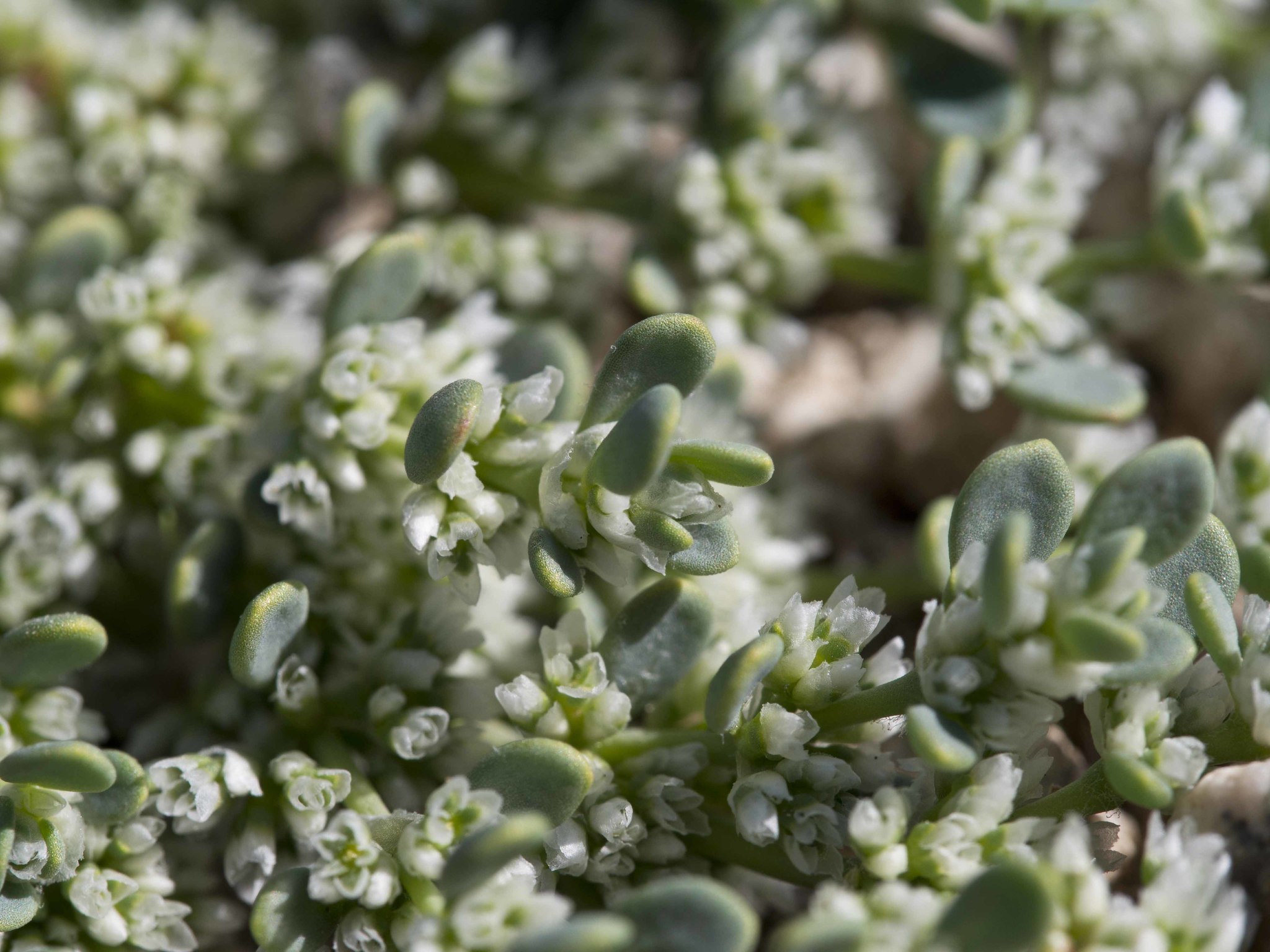
Achyronychia Torr. & A. Gray is a genus of low-growing annual plants in the Caryophyllaceae family. Native to arid regions of the southwestern United States and Mexico, these small, mat-forming herbs produce tiny white flowers and thrive in sandy or gravelly desert soils.
Achyronychia Torr. & A. Gray
Commonly known as
Achyronychia
Achyronychia Torr. & A. Gray is a genus of low-growing annual plants in the Caryophyllaceae family. Native to arid regions of the southwestern United States and Mexico, these small, mat-forming herbs produce tiny white flowers and thrive in sandy or gravelly desert soils.
Achyronychia Torr. & A. Gray
Commonly known as
Achyronychia
Achyronychia Torr. & A. Gray is a genus of low-growing annual plants in the Caryophyllaceae family. Native to arid regions of the southwestern United States and Mexico, these small, mat-forming herbs produce tiny white flowers and thrive in sandy or gravelly desert soils.
Achyronychia Torr. & A. Gray
Commonly known as
Achyronychia
Achyronychia Torr. & A. Gray is a genus of low-growing annual plants in the Caryophyllaceae family. Native to arid regions of the southwestern United States and Mexico, these small, mat-forming herbs produce tiny white flowers and thrive in sandy or gravelly desert soils.
Achyronychia Torr. & A. Gray
Commonly known as
Achyronychia
Achyronychia Torr. & A. Gray is a genus of low-growing annual plants in the Caryophyllaceae family. Native to arid regions of the southwestern United States and Mexico, these small, mat-forming herbs produce tiny white flowers and thrive in sandy or gravelly desert soils.
Achyronychia Torr. & A. Gray
Commonly known as
Achyronychia
Achyronychia Torr. & A. Gray is a genus of low-growing annual plants in the Caryophyllaceae family. Native to arid regions of the southwestern United States and Mexico, these small, mat-forming herbs produce tiny white flowers and thrive in sandy or gravelly desert soils.
Achyronychia Torr. & A. Gray
Commonly known as
Achyronychia
Achyronychia Torr. & A. Gray is a genus of low-growing annual plants in the Caryophyllaceae family. Native to arid regions of the southwestern United States and Mexico, these small, mat-forming herbs produce tiny white flowers and thrive in sandy or gravelly desert soils.
Identification & Classification
Color & Surface
Vibrant "highlighter yellow" scales. They turn greenish when wet because the yellow skin becomes see-through, revealing the green algae inside.
Shape & Form
A scaly "crust" made of tiny, flat tiles. It grows in irregular patches that look like cracked paint or a tiled floor on the ground.
Fruiting
Small, sunken black or reddish dots in the center of the scales. These act like "launch pads" to release the lichen's spores.
Growth Habitat & Substrate
Strictly soil-dwelling in dry areas. It grows on dirt or among mosses. Pro tip: if it's on a bare rock, it's a different species.
Taxonomy Classification
Kingdom
Plantae
Division
Magnoliophyta
Class
Magnoliopsida
Order
Caryophyllales
Family
Caryophyllaceae Juss.
Genus
Achyronychia Torr. & A. Gray
Identification & Classification
Color & Surface
Vibrant "highlighter yellow" scales. They turn greenish when wet because the yellow skin becomes see-through, revealing the green algae inside.
Shape & Form
A scaly "crust" made of tiny, flat tiles. It grows in irregular patches that look like cracked paint or a tiled floor on the ground.
Fruiting
Small, sunken black or reddish dots in the center of the scales. These act like "launch pads" to release the lichen's spores.
Growth Habitat & Substrate
Strictly soil-dwelling in dry areas. It grows on dirt or among mosses. Pro tip: if it's on a bare rock, it's a different species.
Taxonomy Classification
Kingdom
Plantae
Division
Magnoliophyta
Class
Magnoliopsida
Order
Caryophyllales
Family
Caryophyllaceae Juss.
Genus
Achyronychia Torr. & A. Gray
Identification & Classification
Color & Surface
Vibrant "highlighter yellow" scales. They turn greenish when wet because the yellow skin becomes see-through, revealing the green algae inside.
Shape & Form
A scaly "crust" made of tiny, flat tiles. It grows in irregular patches that look like cracked paint or a tiled floor on the ground.
Fruiting
Small, sunken black or reddish dots in the center of the scales. These act like "launch pads" to release the lichen's spores.
Growth Habitat & Substrate
Strictly soil-dwelling in dry areas. It grows on dirt or among mosses. Pro tip: if it's on a bare rock, it's a different species.
Taxonomy Classification
Kingdom
Plantae
Division
Magnoliophyta
Class
Magnoliopsida
Order
Caryophyllales
Family
Caryophyllaceae Juss.
Genus
Achyronychia Torr. & A. Gray
Identification & Classification
Color & Surface
Vibrant "highlighter yellow" scales. They turn greenish when wet because the yellow skin becomes see-through, revealing the green algae inside.
Shape & Form
A scaly "crust" made of tiny, flat tiles. It grows in irregular patches that look like cracked paint or a tiled floor on the ground.
Fruiting
Small, sunken black or reddish dots in the center of the scales. These act like "launch pads" to release the lichen's spores.
Growth Habitat & Substrate
Strictly soil-dwelling in dry areas. It grows on dirt or among mosses. Pro tip: if it's on a bare rock, it's a different species.
Taxonomy Classification
Kingdom
Plantae
Division
Magnoliophyta
Class
Magnoliopsida
Order
Caryophyllales
Family
Caryophyllaceae Juss.
Genus
Achyronychia Torr. & A. Gray
Identification & Classification
Color & Surface
Vibrant "highlighter yellow" scales. They turn greenish when wet because the yellow skin becomes see-through, revealing the green algae inside.
Shape & Form
A scaly "crust" made of tiny, flat tiles. It grows in irregular patches that look like cracked paint or a tiled floor on the ground.
Fruiting
Small, sunken black or reddish dots in the center of the scales. These act like "launch pads" to release the lichen's spores.
Growth Habitat & Substrate
Strictly soil-dwelling in dry areas. It grows on dirt or among mosses. Pro tip: if it's on a bare rock, it's a different species.
Taxonomy Classification
Kingdom
Plantae
Division
Magnoliophyta
Class
Magnoliopsida
Order
Caryophyllales
Family
Caryophyllaceae Juss.
Genus
Achyronychia Torr. & A. Gray
Identification & Classification
Color & Surface
Vibrant "highlighter yellow" scales. They turn greenish when wet because the yellow skin becomes see-through, revealing the green algae inside.
Shape & Form
A scaly "crust" made of tiny, flat tiles. It grows in irregular patches that look like cracked paint or a tiled floor on the ground.
Fruiting
Small, sunken black or reddish dots in the center of the scales. These act like "launch pads" to release the lichen's spores.
Growth Habitat & Substrate
Strictly soil-dwelling in dry areas. It grows on dirt or among mosses. Pro tip: if it's on a bare rock, it's a different species.
Taxonomy Classification
Kingdom
Plantae
Division
Magnoliophyta
Class
Magnoliopsida
Order
Caryophyllales
Family
Caryophyllaceae Juss.
Genus
Achyronychia Torr. & A. Gray
Care Requirements
Sunlight
Needs 6+ hours of direct sunlight daily. Thrives in open, sandy habitats where shade is minimal and light is intense.
Temperature
Tolerates high temperatures typical of desert and coastal regions. Can withstand cool nights but is sensitive to prolonged frost.
Nutrient
Does not require fertilization. Grows best in nutrient-poor soils. Excess nutrients may encourage weed competition.
Soil
Prefers sandy, well-drained soils with low organic content. Cannot tolerate heavy clay or waterlogged conditions.
Maintenance
Very low maintenance. No pruning required. Handle gently, as stems and roots are delicate and easily disturbed.
Water
Adapted to arid conditions. Requires minimal watering and survives long dry periods by going dormant. Avoid overwatering to prevent root rot.
Care Requirements
Sunlight
Needs 6+ hours of direct sunlight daily. Thrives in open, sandy habitats where shade is minimal and light is intense.
Temperature
Tolerates high temperatures typical of desert and coastal regions. Can withstand cool nights but is sensitive to prolonged frost.
Nutrient
Does not require fertilization. Grows best in nutrient-poor soils. Excess nutrients may encourage weed competition.
Soil
Prefers sandy, well-drained soils with low organic content. Cannot tolerate heavy clay or waterlogged conditions.
Maintenance
Very low maintenance. No pruning required. Handle gently, as stems and roots are delicate and easily disturbed.
Water
Adapted to arid conditions. Requires minimal watering and survives long dry periods by going dormant. Avoid overwatering to prevent root rot.
Care Requirements
Sunlight
Needs 6+ hours of direct sunlight daily. Thrives in open, sandy habitats where shade is minimal and light is intense.
Temperature
Tolerates high temperatures typical of desert and coastal regions. Can withstand cool nights but is sensitive to prolonged frost.
Nutrient
Does not require fertilization. Grows best in nutrient-poor soils. Excess nutrients may encourage weed competition.
Soil
Prefers sandy, well-drained soils with low organic content. Cannot tolerate heavy clay or waterlogged conditions.
Maintenance
Very low maintenance. No pruning required. Handle gently, as stems and roots are delicate and easily disturbed.
Water
Adapted to arid conditions. Requires minimal watering and survives long dry periods by going dormant. Avoid overwatering to prevent root rot.
Care Requirements
Sunlight
Needs 6+ hours of direct sunlight daily. Thrives in open, sandy habitats where shade is minimal and light is intense.
Temperature
Tolerates high temperatures typical of desert and coastal regions. Can withstand cool nights but is sensitive to prolonged frost.
Nutrient
Does not require fertilization. Grows best in nutrient-poor soils. Excess nutrients may encourage weed competition.
Soil
Prefers sandy, well-drained soils with low organic content. Cannot tolerate heavy clay or waterlogged conditions.
Maintenance
Very low maintenance. No pruning required. Handle gently, as stems and roots are delicate and easily disturbed.
Water
Adapted to arid conditions. Requires minimal watering and survives long dry periods by going dormant. Avoid overwatering to prevent root rot.
Care Requirements
Sunlight
Needs 6+ hours of direct sunlight daily. Thrives in open, sandy habitats where shade is minimal and light is intense.
Temperature
Tolerates high temperatures typical of desert and coastal regions. Can withstand cool nights but is sensitive to prolonged frost.
Nutrient
Does not require fertilization. Grows best in nutrient-poor soils. Excess nutrients may encourage weed competition.
Soil
Prefers sandy, well-drained soils with low organic content. Cannot tolerate heavy clay or waterlogged conditions.
Maintenance
Very low maintenance. No pruning required. Handle gently, as stems and roots are delicate and easily disturbed.
Water
Adapted to arid conditions. Requires minimal watering and survives long dry periods by going dormant. Avoid overwatering to prevent root rot.
Care Requirements
Sunlight
Needs 6+ hours of direct sunlight daily. Thrives in open, sandy habitats where shade is minimal and light is intense.
Temperature
Tolerates high temperatures typical of desert and coastal regions. Can withstand cool nights but is sensitive to prolonged frost.
Nutrient
Does not require fertilization. Grows best in nutrient-poor soils. Excess nutrients may encourage weed competition.
Soil
Prefers sandy, well-drained soils with low organic content. Cannot tolerate heavy clay or waterlogged conditions.
Maintenance
Very low maintenance. No pruning required. Handle gently, as stems and roots are delicate and easily disturbed.
Water
Adapted to arid conditions. Requires minimal watering and survives long dry periods by going dormant. Avoid overwatering to prevent root rot.
Seasonal Behavior
Spring
Spring brings renewed growth and flowering after winter dormancy. Increased moisture from seasonal rains triggers active development.

Autumn
Growth slows in autumn as temperatures drop and moisture decreases. The plant prepares for winter dormancy by reducing above-ground activity.

Winter
Dormant in winter, surviving cold by reducing metabolic activity. Remains resilient under mild frost, regrowing as soon as conditions improve.

Summer
Enters dormancy during the hottest part of summer to conserve water. Growth resumes after rainfall or cooler temperatures return.

Seasonal Behavior
Spring
Spring brings renewed growth and flowering after winter dormancy. Increased moisture from seasonal rains triggers active development.
Autumn
Growth slows in autumn as temperatures drop and moisture decreases. The plant prepares for winter dormancy by reducing above-ground activity.
Winter
Dormant in winter, surviving cold by reducing metabolic activity. Remains resilient under mild frost, regrowing as soon as conditions improve.
Summer
Enters dormancy during the hottest part of summer to conserve water. Growth resumes after rainfall or cooler temperatures return.
Seasonal Behavior
Spring
Spring brings renewed growth and flowering after winter dormancy. Increased moisture from seasonal rains triggers active development.
Autumn
Growth slows in autumn as temperatures drop and moisture decreases. The plant prepares for winter dormancy by reducing above-ground activity.
Winter
Dormant in winter, surviving cold by reducing metabolic activity. Remains resilient under mild frost, regrowing as soon as conditions improve.
Summer
Enters dormancy during the hottest part of summer to conserve water. Growth resumes after rainfall or cooler temperatures return.
Seasonal Behavior
Spring
Spring brings renewed growth and flowering after winter dormancy. Increased moisture from seasonal rains triggers active development.
Autumn
Growth slows in autumn as temperatures drop and moisture decreases. The plant prepares for winter dormancy by reducing above-ground activity.
Winter
Dormant in winter, surviving cold by reducing metabolic activity. Remains resilient under mild frost, regrowing as soon as conditions improve.
Summer
Enters dormancy during the hottest part of summer to conserve water. Growth resumes after rainfall or cooler temperatures return.
Seasonal Behavior
Spring
Spring brings renewed growth and flowering after winter dormancy. Increased moisture from seasonal rains triggers active development.
Autumn
Growth slows in autumn as temperatures drop and moisture decreases. The plant prepares for winter dormancy by reducing above-ground activity.
Winter
Dormant in winter, surviving cold by reducing metabolic activity. Remains resilient under mild frost, regrowing as soon as conditions improve.
Summer
Enters dormancy during the hottest part of summer to conserve water. Growth resumes after rainfall or cooler temperatures return.