Acorus Calamus L.
Commonly known as
Calamus
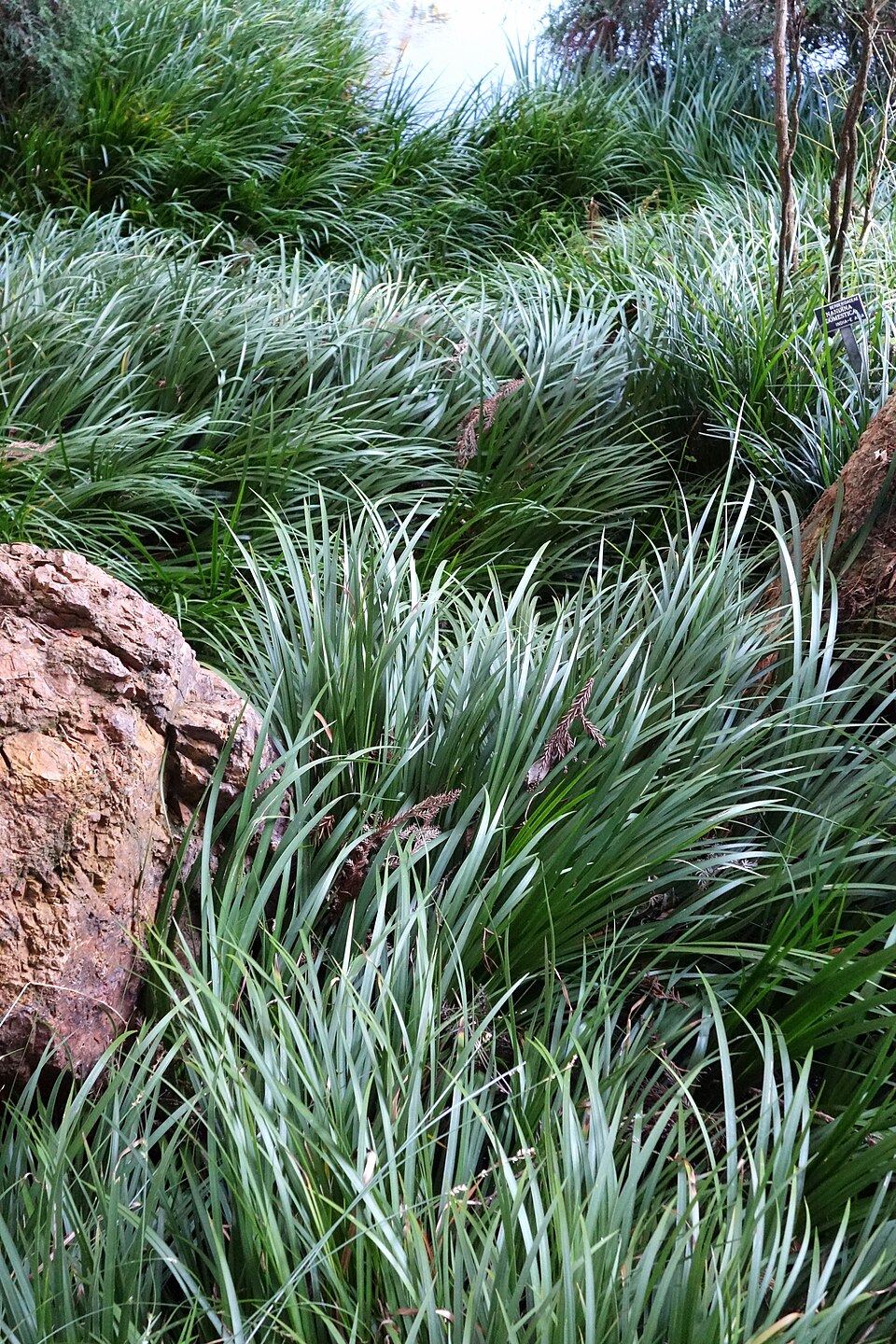
Acorus Calamus L., or Sweet Flag, is a wetland perennial with sword-shaped leaves and a spicy fragrance, valued in medicine and perfumery.
Acorus Calamus L.
Commonly known as
Calamus
Acorus Calamus L., or Sweet Flag, is a wetland perennial with sword-shaped leaves and a spicy fragrance, valued in medicine and perfumery.
Acorus Calamus L.
Commonly known as
Calamus
Acorus Calamus L., or Sweet Flag, is a wetland perennial with sword-shaped leaves and a spicy fragrance, valued in medicine and perfumery.
Acorus Calamus L.
Commonly known as
Calamus
Acorus Calamus L., or Sweet Flag, is a wetland perennial with sword-shaped leaves and a spicy fragrance, valued in medicine and perfumery.
Acorus Calamus L.
Commonly known as
Calamus
Acorus Calamus L., or Sweet Flag, is a wetland perennial with sword-shaped leaves and a spicy fragrance, valued in medicine and perfumery.
Acorus Calamus L.
Commonly known as
Calamus
Acorus Calamus L., or Sweet Flag, is a wetland perennial with sword-shaped leaves and a spicy fragrance, valued in medicine and perfumery.
Acorus Calamus L.
Commonly known as
Calamus
Acorus Calamus L., or Sweet Flag, is a wetland perennial with sword-shaped leaves and a spicy fragrance, valued in medicine and perfumery.
Identification & Classification
Color & Surface
Vibrant "highlighter yellow" scales. They turn greenish when wet because the yellow skin becomes see-through, revealing the green algae inside.
Shape & Form
A scaly "crust" made of tiny, flat tiles. It grows in irregular patches that look like cracked paint or a tiled floor on the ground.
Fruiting
Small, sunken black or reddish dots in the center of the scales. These act like "launch pads" to release the lichen's spores.
Growth Habitat & Substrate
Strictly soil-dwelling in dry areas. It grows on dirt or among mosses. Pro tip: if it's on a bare rock, it's a different species.
Taxonomy Classification
Kingdom
Plantae
Division
Magnoliophyta
Class
Liliopsida
Order
Arales
Family
Acoraceae Martinov
Genus
Acorus L.
Species
Acorus Calamus L.
Identification & Classification
Color & Surface
Vibrant "highlighter yellow" scales. They turn greenish when wet because the yellow skin becomes see-through, revealing the green algae inside.
Shape & Form
A scaly "crust" made of tiny, flat tiles. It grows in irregular patches that look like cracked paint or a tiled floor on the ground.
Fruiting
Small, sunken black or reddish dots in the center of the scales. These act like "launch pads" to release the lichen's spores.
Growth Habitat & Substrate
Strictly soil-dwelling in dry areas. It grows on dirt or among mosses. Pro tip: if it's on a bare rock, it's a different species.
Taxonomy Classification
Kingdom
Plantae
Division
Magnoliophyta
Class
Liliopsida
Order
Arales
Family
Acoraceae Martinov
Genus
Acorus L.
Species
Acorus Calamus L.
Identification & Classification
Color & Surface
Vibrant "highlighter yellow" scales. They turn greenish when wet because the yellow skin becomes see-through, revealing the green algae inside.
Shape & Form
A scaly "crust" made of tiny, flat tiles. It grows in irregular patches that look like cracked paint or a tiled floor on the ground.
Fruiting
Small, sunken black or reddish dots in the center of the scales. These act like "launch pads" to release the lichen's spores.
Growth Habitat & Substrate
Strictly soil-dwelling in dry areas. It grows on dirt or among mosses. Pro tip: if it's on a bare rock, it's a different species.
Taxonomy Classification
Kingdom
Plantae
Division
Magnoliophyta
Class
Liliopsida
Order
Arales
Family
Acoraceae Martinov
Genus
Acorus L.
Species
Acorus Calamus L.
Identification & Classification
Color & Surface
Vibrant "highlighter yellow" scales. They turn greenish when wet because the yellow skin becomes see-through, revealing the green algae inside.
Shape & Form
A scaly "crust" made of tiny, flat tiles. It grows in irregular patches that look like cracked paint or a tiled floor on the ground.
Fruiting
Small, sunken black or reddish dots in the center of the scales. These act like "launch pads" to release the lichen's spores.
Growth Habitat & Substrate
Strictly soil-dwelling in dry areas. It grows on dirt or among mosses. Pro tip: if it's on a bare rock, it's a different species.
Taxonomy Classification
Kingdom
Plantae
Division
Magnoliophyta
Class
Liliopsida
Order
Arales
Family
Acoraceae Martinov
Genus
Acorus L.
Species
Acorus Calamus L.
Identification & Classification
Color & Surface
Vibrant "highlighter yellow" scales. They turn greenish when wet because the yellow skin becomes see-through, revealing the green algae inside.
Shape & Form
A scaly "crust" made of tiny, flat tiles. It grows in irregular patches that look like cracked paint or a tiled floor on the ground.
Fruiting
Small, sunken black or reddish dots in the center of the scales. These act like "launch pads" to release the lichen's spores.
Growth Habitat & Substrate
Strictly soil-dwelling in dry areas. It grows on dirt or among mosses. Pro tip: if it's on a bare rock, it's a different species.
Taxonomy Classification
Kingdom
Plantae
Division
Magnoliophyta
Class
Liliopsida
Order
Arales
Family
Acoraceae Martinov
Genus
Acorus L.
Species
Acorus Calamus L.
Identification & Classification
Color & Surface
Vibrant "highlighter yellow" scales. They turn greenish when wet because the yellow skin becomes see-through, revealing the green algae inside.
Shape & Form
A scaly "crust" made of tiny, flat tiles. It grows in irregular patches that look like cracked paint or a tiled floor on the ground.
Fruiting
Small, sunken black or reddish dots in the center of the scales. These act like "launch pads" to release the lichen's spores.
Growth Habitat & Substrate
Strictly soil-dwelling in dry areas. It grows on dirt or among mosses. Pro tip: if it's on a bare rock, it's a different species.
Taxonomy Classification
Kingdom
Plantae
Division
Magnoliophyta
Class
Liliopsida
Order
Arales
Family
Acoraceae Martinov
Genus
Acorus L.
Species
Acorus Calamus L.
Care Requirements
Sunlight
Thrives in full sun to partial shade, requiring at least 4–6 hours of direct light for vigorous growth. Tolerates light shade in wetland margins.
Temperature
Hardy in temperate climates, tolerating temperatures from -15°C to 30°C. Prefers cool to warm conditions and can survive brief frost.
Nutrient
Benefits from nutrient-rich substrates. Occasional organic fertilizer in spring supports healthy growth, but avoid excessive feeding.
Soil
Grows best in rich, muddy, or silty soils with high organic content. Tolerates heavy clay and waterlogged substrates typical of wetlands.
Maintenance
Low-maintenance once established. Remove dead foliage in late winter and divide rhizomes every few years to control spread and maintain vigor.
Water
Requires consistently moist to wet conditions, thriving in shallow water or saturated soils. Ideal for pond edges and boggy areas; do not allow to dry out.
Care Requirements
Sunlight
Thrives in full sun to partial shade, requiring at least 4–6 hours of direct light for vigorous growth. Tolerates light shade in wetland margins.
Temperature
Hardy in temperate climates, tolerating temperatures from -15°C to 30°C. Prefers cool to warm conditions and can survive brief frost.
Nutrient
Benefits from nutrient-rich substrates. Occasional organic fertilizer in spring supports healthy growth, but avoid excessive feeding.
Soil
Grows best in rich, muddy, or silty soils with high organic content. Tolerates heavy clay and waterlogged substrates typical of wetlands.
Maintenance
Low-maintenance once established. Remove dead foliage in late winter and divide rhizomes every few years to control spread and maintain vigor.
Water
Requires consistently moist to wet conditions, thriving in shallow water or saturated soils. Ideal for pond edges and boggy areas; do not allow to dry out.
Care Requirements
Sunlight
Thrives in full sun to partial shade, requiring at least 4–6 hours of direct light for vigorous growth. Tolerates light shade in wetland margins.
Temperature
Hardy in temperate climates, tolerating temperatures from -15°C to 30°C. Prefers cool to warm conditions and can survive brief frost.
Nutrient
Benefits from nutrient-rich substrates. Occasional organic fertilizer in spring supports healthy growth, but avoid excessive feeding.
Soil
Grows best in rich, muddy, or silty soils with high organic content. Tolerates heavy clay and waterlogged substrates typical of wetlands.
Maintenance
Low-maintenance once established. Remove dead foliage in late winter and divide rhizomes every few years to control spread and maintain vigor.
Water
Requires consistently moist to wet conditions, thriving in shallow water or saturated soils. Ideal for pond edges and boggy areas; do not allow to dry out.
Care Requirements
Sunlight
Thrives in full sun to partial shade, requiring at least 4–6 hours of direct light for vigorous growth. Tolerates light shade in wetland margins.
Temperature
Hardy in temperate climates, tolerating temperatures from -15°C to 30°C. Prefers cool to warm conditions and can survive brief frost.
Nutrient
Benefits from nutrient-rich substrates. Occasional organic fertilizer in spring supports healthy growth, but avoid excessive feeding.
Soil
Grows best in rich, muddy, or silty soils with high organic content. Tolerates heavy clay and waterlogged substrates typical of wetlands.
Maintenance
Low-maintenance once established. Remove dead foliage in late winter and divide rhizomes every few years to control spread and maintain vigor.
Water
Requires consistently moist to wet conditions, thriving in shallow water or saturated soils. Ideal for pond edges and boggy areas; do not allow to dry out.
Care Requirements
Sunlight
Thrives in full sun to partial shade, requiring at least 4–6 hours of direct light for vigorous growth. Tolerates light shade in wetland margins.
Temperature
Hardy in temperate climates, tolerating temperatures from -15°C to 30°C. Prefers cool to warm conditions and can survive brief frost.
Nutrient
Benefits from nutrient-rich substrates. Occasional organic fertilizer in spring supports healthy growth, but avoid excessive feeding.
Soil
Grows best in rich, muddy, or silty soils with high organic content. Tolerates heavy clay and waterlogged substrates typical of wetlands.
Maintenance
Low-maintenance once established. Remove dead foliage in late winter and divide rhizomes every few years to control spread and maintain vigor.
Water
Requires consistently moist to wet conditions, thriving in shallow water or saturated soils. Ideal for pond edges and boggy areas; do not allow to dry out.
Care Requirements
Sunlight
Thrives in full sun to partial shade, requiring at least 4–6 hours of direct light for vigorous growth. Tolerates light shade in wetland margins.
Temperature
Hardy in temperate climates, tolerating temperatures from -15°C to 30°C. Prefers cool to warm conditions and can survive brief frost.
Nutrient
Benefits from nutrient-rich substrates. Occasional organic fertilizer in spring supports healthy growth, but avoid excessive feeding.
Soil
Grows best in rich, muddy, or silty soils with high organic content. Tolerates heavy clay and waterlogged substrates typical of wetlands.
Maintenance
Low-maintenance once established. Remove dead foliage in late winter and divide rhizomes every few years to control spread and maintain vigor.
Water
Requires consistently moist to wet conditions, thriving in shallow water or saturated soils. Ideal for pond edges and boggy areas; do not allow to dry out.
Seasonal Behavior
Spring
New sword-shaped leaves emerge rapidly as temperatures warm. Rhizomes spread actively, and the aromatic fragrance becomes more pronounced.

Autumn
Growth slows as temperatures decline. Foliage begins to yellow and die back, with the plant storing energy in its rhizomes for winter.

Winter
Dormant in winter, with above-ground foliage dying back completely in colder climates. Rhizomes remain viable beneath the soil or water.

Summer
Peak vegetative growth occurs in summer with lush foliage. Spadix flower spikes may appear, though flowering is often sparse in cultivation.

Seasonal Behavior
Spring
New sword-shaped leaves emerge rapidly as temperatures warm. Rhizomes spread actively, and the aromatic fragrance becomes more pronounced.
Autumn
Growth slows as temperatures decline. Foliage begins to yellow and die back, with the plant storing energy in its rhizomes for winter.
Winter
Dormant in winter, with above-ground foliage dying back completely in colder climates. Rhizomes remain viable beneath the soil or water.
Summer
Peak vegetative growth occurs in summer with lush foliage. Spadix flower spikes may appear, though flowering is often sparse in cultivation.
Seasonal Behavior
Spring
New sword-shaped leaves emerge rapidly as temperatures warm. Rhizomes spread actively, and the aromatic fragrance becomes more pronounced.
Autumn
Growth slows as temperatures decline. Foliage begins to yellow and die back, with the plant storing energy in its rhizomes for winter.
Winter
Dormant in winter, with above-ground foliage dying back completely in colder climates. Rhizomes remain viable beneath the soil or water.
Summer
Peak vegetative growth occurs in summer with lush foliage. Spadix flower spikes may appear, though flowering is often sparse in cultivation.
Seasonal Behavior
Spring
New sword-shaped leaves emerge rapidly as temperatures warm. Rhizomes spread actively, and the aromatic fragrance becomes more pronounced.
Autumn
Growth slows as temperatures decline. Foliage begins to yellow and die back, with the plant storing energy in its rhizomes for winter.
Winter
Dormant in winter, with above-ground foliage dying back completely in colder climates. Rhizomes remain viable beneath the soil or water.
Summer
Peak vegetative growth occurs in summer with lush foliage. Spadix flower spikes may appear, though flowering is often sparse in cultivation.
Seasonal Behavior
Spring
New sword-shaped leaves emerge rapidly as temperatures warm. Rhizomes spread actively, and the aromatic fragrance becomes more pronounced.
Autumn
Growth slows as temperatures decline. Foliage begins to yellow and die back, with the plant storing energy in its rhizomes for winter.
Winter
Dormant in winter, with above-ground foliage dying back completely in colder climates. Rhizomes remain viable beneath the soil or water.
Summer
Peak vegetative growth occurs in summer with lush foliage. Spadix flower spikes may appear, though flowering is often sparse in cultivation.