Acrocomia Mart.
Commonly known as
Acrocomia
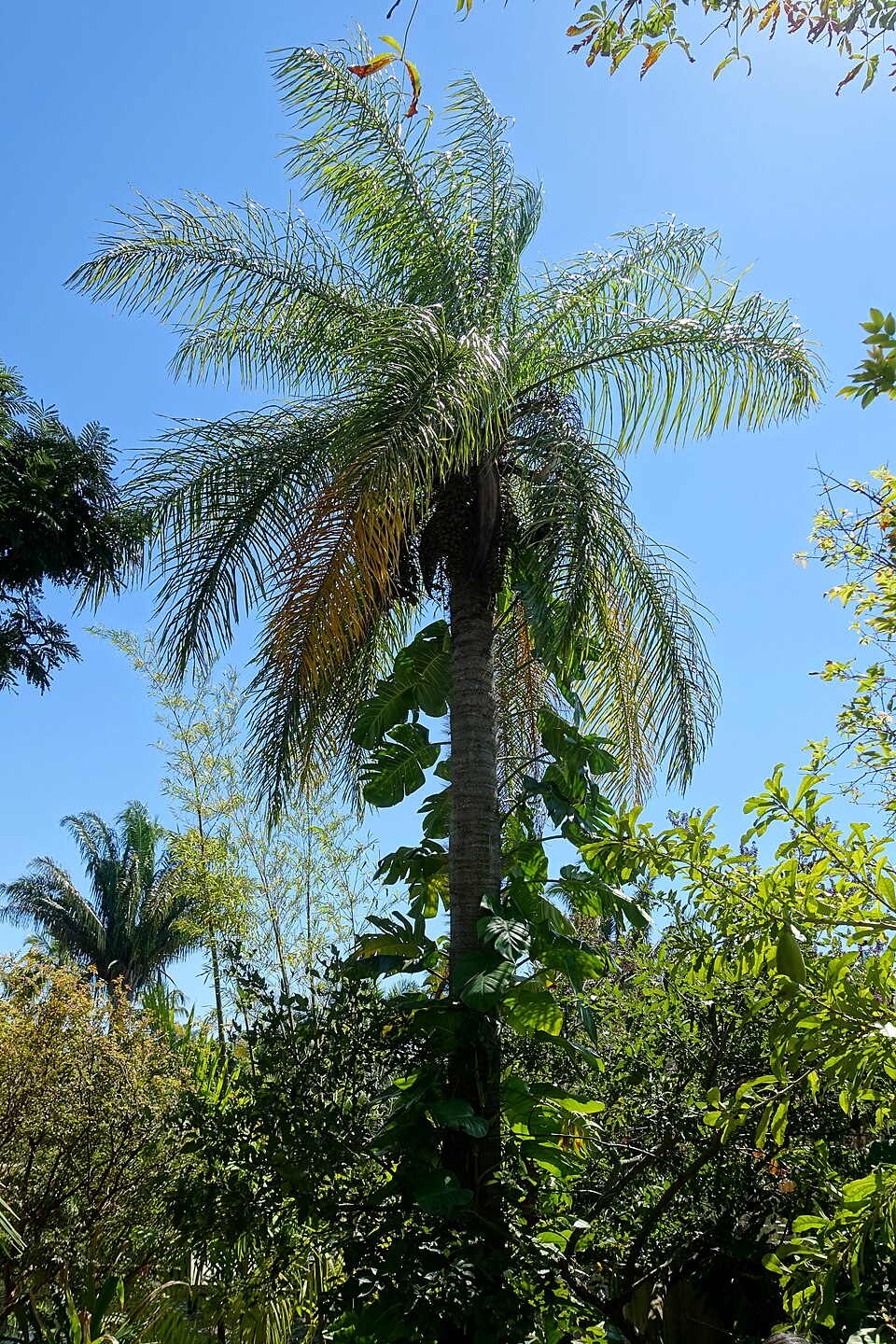
Acrocomia Mart. is a genus of spiny palms in the Arecaceae family, native to tropical and subtropical regions of the Americas. Commonly known as Macaw Palms, these robust trees feature feathery fronds and produce oil-rich fruits used for food, cosmetics, and biofuel production. Their trunks are often covered with sharp spines.
Acrocomia Mart.
Commonly known as
Acrocomia
Acrocomia Mart. is a genus of spiny palms in the Arecaceae family, native to tropical and subtropical regions of the Americas. Commonly known as Macaw Palms, these robust trees feature feathery fronds and produce oil-rich fruits used for food, cosmetics, and biofuel production. Their trunks are often covered with sharp spines.
Acrocomia Mart.
Commonly known as
Acrocomia
Acrocomia Mart. is a genus of spiny palms in the Arecaceae family, native to tropical and subtropical regions of the Americas. Commonly known as Macaw Palms, these robust trees feature feathery fronds and produce oil-rich fruits used for food, cosmetics, and biofuel production. Their trunks are often covered with sharp spines.
Acrocomia Mart.
Commonly known as
Acrocomia
Acrocomia Mart. is a genus of spiny palms in the Arecaceae family, native to tropical and subtropical regions of the Americas. Commonly known as Macaw Palms, these robust trees feature feathery fronds and produce oil-rich fruits used for food, cosmetics, and biofuel production. Their trunks are often covered with sharp spines.
Acrocomia Mart.
Commonly known as
Acrocomia
Acrocomia Mart. is a genus of spiny palms in the Arecaceae family, native to tropical and subtropical regions of the Americas. Commonly known as Macaw Palms, these robust trees feature feathery fronds and produce oil-rich fruits used for food, cosmetics, and biofuel production. Their trunks are often covered with sharp spines.
Acrocomia Mart.
Commonly known as
Acrocomia
Acrocomia Mart. is a genus of spiny palms in the Arecaceae family, native to tropical and subtropical regions of the Americas. Commonly known as Macaw Palms, these robust trees feature feathery fronds and produce oil-rich fruits used for food, cosmetics, and biofuel production. Their trunks are often covered with sharp spines.
Acrocomia Mart.
Commonly known as
Acrocomia
Acrocomia Mart. is a genus of spiny palms in the Arecaceae family, native to tropical and subtropical regions of the Americas. Commonly known as Macaw Palms, these robust trees feature feathery fronds and produce oil-rich fruits used for food, cosmetics, and biofuel production. Their trunks are often covered with sharp spines.
Identification & Classification
Color & Surface
Vibrant "highlighter yellow" scales. They turn greenish when wet because the yellow skin becomes see-through, revealing the green algae inside.
Shape & Form
A scaly "crust" made of tiny, flat tiles. It grows in irregular patches that look like cracked paint or a tiled floor on the ground.
Fruiting
Small, sunken black or reddish dots in the center of the scales. These act like "launch pads" to release the lichen's spores.
Growth Habitat & Substrate
Strictly soil-dwelling in dry areas. It grows on dirt or among mosses. Pro tip: if it's on a bare rock, it's a different species.
Taxonomy Classification
Kingdom
Plantae
Division
Magnoliophyta
Class
Liliopsida
Order
Arecales
Family
Arecaceae Bercht. & J. Presl
Genus
Acrocomia Mart.
Identification & Classification
Color & Surface
Vibrant "highlighter yellow" scales. They turn greenish when wet because the yellow skin becomes see-through, revealing the green algae inside.
Shape & Form
A scaly "crust" made of tiny, flat tiles. It grows in irregular patches that look like cracked paint or a tiled floor on the ground.
Fruiting
Small, sunken black or reddish dots in the center of the scales. These act like "launch pads" to release the lichen's spores.
Growth Habitat & Substrate
Strictly soil-dwelling in dry areas. It grows on dirt or among mosses. Pro tip: if it's on a bare rock, it's a different species.
Taxonomy Classification
Kingdom
Plantae
Division
Magnoliophyta
Class
Liliopsida
Order
Arecales
Family
Arecaceae Bercht. & J. Presl
Genus
Acrocomia Mart.
Identification & Classification
Color & Surface
Vibrant "highlighter yellow" scales. They turn greenish when wet because the yellow skin becomes see-through, revealing the green algae inside.
Shape & Form
A scaly "crust" made of tiny, flat tiles. It grows in irregular patches that look like cracked paint or a tiled floor on the ground.
Fruiting
Small, sunken black or reddish dots in the center of the scales. These act like "launch pads" to release the lichen's spores.
Growth Habitat & Substrate
Strictly soil-dwelling in dry areas. It grows on dirt or among mosses. Pro tip: if it's on a bare rock, it's a different species.
Taxonomy Classification
Kingdom
Plantae
Division
Magnoliophyta
Class
Liliopsida
Order
Arecales
Family
Arecaceae Bercht. & J. Presl
Genus
Acrocomia Mart.
Identification & Classification
Color & Surface
Vibrant "highlighter yellow" scales. They turn greenish when wet because the yellow skin becomes see-through, revealing the green algae inside.
Shape & Form
A scaly "crust" made of tiny, flat tiles. It grows in irregular patches that look like cracked paint or a tiled floor on the ground.
Fruiting
Small, sunken black or reddish dots in the center of the scales. These act like "launch pads" to release the lichen's spores.
Growth Habitat & Substrate
Strictly soil-dwelling in dry areas. It grows on dirt or among mosses. Pro tip: if it's on a bare rock, it's a different species.
Taxonomy Classification
Kingdom
Plantae
Division
Magnoliophyta
Class
Liliopsida
Order
Arecales
Family
Arecaceae Bercht. & J. Presl
Genus
Acrocomia Mart.
Identification & Classification
Color & Surface
Vibrant "highlighter yellow" scales. They turn greenish when wet because the yellow skin becomes see-through, revealing the green algae inside.
Shape & Form
A scaly "crust" made of tiny, flat tiles. It grows in irregular patches that look like cracked paint or a tiled floor on the ground.
Fruiting
Small, sunken black or reddish dots in the center of the scales. These act like "launch pads" to release the lichen's spores.
Growth Habitat & Substrate
Strictly soil-dwelling in dry areas. It grows on dirt or among mosses. Pro tip: if it's on a bare rock, it's a different species.
Taxonomy Classification
Kingdom
Plantae
Division
Magnoliophyta
Class
Liliopsida
Order
Arecales
Family
Arecaceae Bercht. & J. Presl
Genus
Acrocomia Mart.
Identification & Classification
Color & Surface
Vibrant "highlighter yellow" scales. They turn greenish when wet because the yellow skin becomes see-through, revealing the green algae inside.
Shape & Form
A scaly "crust" made of tiny, flat tiles. It grows in irregular patches that look like cracked paint or a tiled floor on the ground.
Fruiting
Small, sunken black or reddish dots in the center of the scales. These act like "launch pads" to release the lichen's spores.
Growth Habitat & Substrate
Strictly soil-dwelling in dry areas. It grows on dirt or among mosses. Pro tip: if it's on a bare rock, it's a different species.
Taxonomy Classification
Kingdom
Plantae
Division
Magnoliophyta
Class
Liliopsida
Order
Arecales
Family
Arecaceae Bercht. & J. Presl
Genus
Acrocomia Mart.
Care Requirements
Sunlight
Requires full sun for optimal growth and fruit production. Tolerates light shade when young but performs best in open, sunny locations.
Temperature
Thrives in warm tropical to subtropical climates, ideally between 20–35°C. Sensitive to prolonged frost but can tolerate brief cool periods.
Nutrient
Benefits from balanced palm fertilizer applied in spring and summer. Tolerates nutrient-poor soils but responds well to organic amendments.
Soil
Adaptable to a range of soils, including sandy, loamy, and clay substrates. Prefers well-drained, fertile soils but tolerates poor or rocky ground.
Maintenance
Low-maintenance palm. Remove dead fronds and spent fruit clusters periodically. Wear protective gloves due to spiny trunk and leaf bases.
Water
Moderate water needs; drought-tolerant once established. Prefers regular watering during dry periods but tolerates seasonal dry spells.
Care Requirements
Sunlight
Requires full sun for optimal growth and fruit production. Tolerates light shade when young but performs best in open, sunny locations.
Temperature
Thrives in warm tropical to subtropical climates, ideally between 20–35°C. Sensitive to prolonged frost but can tolerate brief cool periods.
Nutrient
Benefits from balanced palm fertilizer applied in spring and summer. Tolerates nutrient-poor soils but responds well to organic amendments.
Soil
Adaptable to a range of soils, including sandy, loamy, and clay substrates. Prefers well-drained, fertile soils but tolerates poor or rocky ground.
Maintenance
Low-maintenance palm. Remove dead fronds and spent fruit clusters periodically. Wear protective gloves due to spiny trunk and leaf bases.
Water
Moderate water needs; drought-tolerant once established. Prefers regular watering during dry periods but tolerates seasonal dry spells.
Care Requirements
Sunlight
Requires full sun for optimal growth and fruit production. Tolerates light shade when young but performs best in open, sunny locations.
Temperature
Thrives in warm tropical to subtropical climates, ideally between 20–35°C. Sensitive to prolonged frost but can tolerate brief cool periods.
Nutrient
Benefits from balanced palm fertilizer applied in spring and summer. Tolerates nutrient-poor soils but responds well to organic amendments.
Soil
Adaptable to a range of soils, including sandy, loamy, and clay substrates. Prefers well-drained, fertile soils but tolerates poor or rocky ground.
Maintenance
Low-maintenance palm. Remove dead fronds and spent fruit clusters periodically. Wear protective gloves due to spiny trunk and leaf bases.
Water
Moderate water needs; drought-tolerant once established. Prefers regular watering during dry periods but tolerates seasonal dry spells.
Care Requirements
Sunlight
Requires full sun for optimal growth and fruit production. Tolerates light shade when young but performs best in open, sunny locations.
Temperature
Thrives in warm tropical to subtropical climates, ideally between 20–35°C. Sensitive to prolonged frost but can tolerate brief cool periods.
Nutrient
Benefits from balanced palm fertilizer applied in spring and summer. Tolerates nutrient-poor soils but responds well to organic amendments.
Soil
Adaptable to a range of soils, including sandy, loamy, and clay substrates. Prefers well-drained, fertile soils but tolerates poor or rocky ground.
Maintenance
Low-maintenance palm. Remove dead fronds and spent fruit clusters periodically. Wear protective gloves due to spiny trunk and leaf bases.
Water
Moderate water needs; drought-tolerant once established. Prefers regular watering during dry periods but tolerates seasonal dry spells.
Care Requirements
Sunlight
Requires full sun for optimal growth and fruit production. Tolerates light shade when young but performs best in open, sunny locations.
Temperature
Thrives in warm tropical to subtropical climates, ideally between 20–35°C. Sensitive to prolonged frost but can tolerate brief cool periods.
Nutrient
Benefits from balanced palm fertilizer applied in spring and summer. Tolerates nutrient-poor soils but responds well to organic amendments.
Soil
Adaptable to a range of soils, including sandy, loamy, and clay substrates. Prefers well-drained, fertile soils but tolerates poor or rocky ground.
Maintenance
Low-maintenance palm. Remove dead fronds and spent fruit clusters periodically. Wear protective gloves due to spiny trunk and leaf bases.
Water
Moderate water needs; drought-tolerant once established. Prefers regular watering during dry periods but tolerates seasonal dry spells.
Care Requirements
Sunlight
Requires full sun for optimal growth and fruit production. Tolerates light shade when young but performs best in open, sunny locations.
Temperature
Thrives in warm tropical to subtropical climates, ideally between 20–35°C. Sensitive to prolonged frost but can tolerate brief cool periods.
Nutrient
Benefits from balanced palm fertilizer applied in spring and summer. Tolerates nutrient-poor soils but responds well to organic amendments.
Soil
Adaptable to a range of soils, including sandy, loamy, and clay substrates. Prefers well-drained, fertile soils but tolerates poor or rocky ground.
Maintenance
Low-maintenance palm. Remove dead fronds and spent fruit clusters periodically. Wear protective gloves due to spiny trunk and leaf bases.
Water
Moderate water needs; drought-tolerant once established. Prefers regular watering during dry periods but tolerates seasonal dry spells.
Seasonal Behavior
Spring
Active growth resumes with warming temperatures. New fronds emerge from the crown, and flowering may begin in late spring.

Autumn
Growth slows as temperatures cool. Fruits mature and ripen, turning from green to yellowish-orange when ready for harvest.

Winter
Growth is minimal during winter. Protect from frost in marginal climates; established palms tolerate brief cold but may suffer foliage damage.

Summer
Peak growth period with rapid frond development. Flowering continues, followed by fruit set on established palms.

Seasonal Behavior
Spring
Active growth resumes with warming temperatures. New fronds emerge from the crown, and flowering may begin in late spring.
Autumn
Growth slows as temperatures cool. Fruits mature and ripen, turning from green to yellowish-orange when ready for harvest.
Winter
Growth is minimal during winter. Protect from frost in marginal climates; established palms tolerate brief cold but may suffer foliage damage.
Summer
Peak growth period with rapid frond development. Flowering continues, followed by fruit set on established palms.
Seasonal Behavior
Spring
Active growth resumes with warming temperatures. New fronds emerge from the crown, and flowering may begin in late spring.
Autumn
Growth slows as temperatures cool. Fruits mature and ripen, turning from green to yellowish-orange when ready for harvest.
Winter
Growth is minimal during winter. Protect from frost in marginal climates; established palms tolerate brief cold but may suffer foliage damage.
Summer
Peak growth period with rapid frond development. Flowering continues, followed by fruit set on established palms.
Seasonal Behavior
Spring
Active growth resumes with warming temperatures. New fronds emerge from the crown, and flowering may begin in late spring.
Autumn
Growth slows as temperatures cool. Fruits mature and ripen, turning from green to yellowish-orange when ready for harvest.
Winter
Growth is minimal during winter. Protect from frost in marginal climates; established palms tolerate brief cold but may suffer foliage damage.
Summer
Peak growth period with rapid frond development. Flowering continues, followed by fruit set on established palms.
Seasonal Behavior
Spring
Active growth resumes with warming temperatures. New fronds emerge from the crown, and flowering may begin in late spring.
Autumn
Growth slows as temperatures cool. Fruits mature and ripen, turning from green to yellowish-orange when ready for harvest.
Winter
Growth is minimal during winter. Protect from frost in marginal climates; established palms tolerate brief cold but may suffer foliage damage.
Summer
Peak growth period with rapid frond development. Flowering continues, followed by fruit set on established palms.