Adansonia L.
Commonly known as
Adansonia
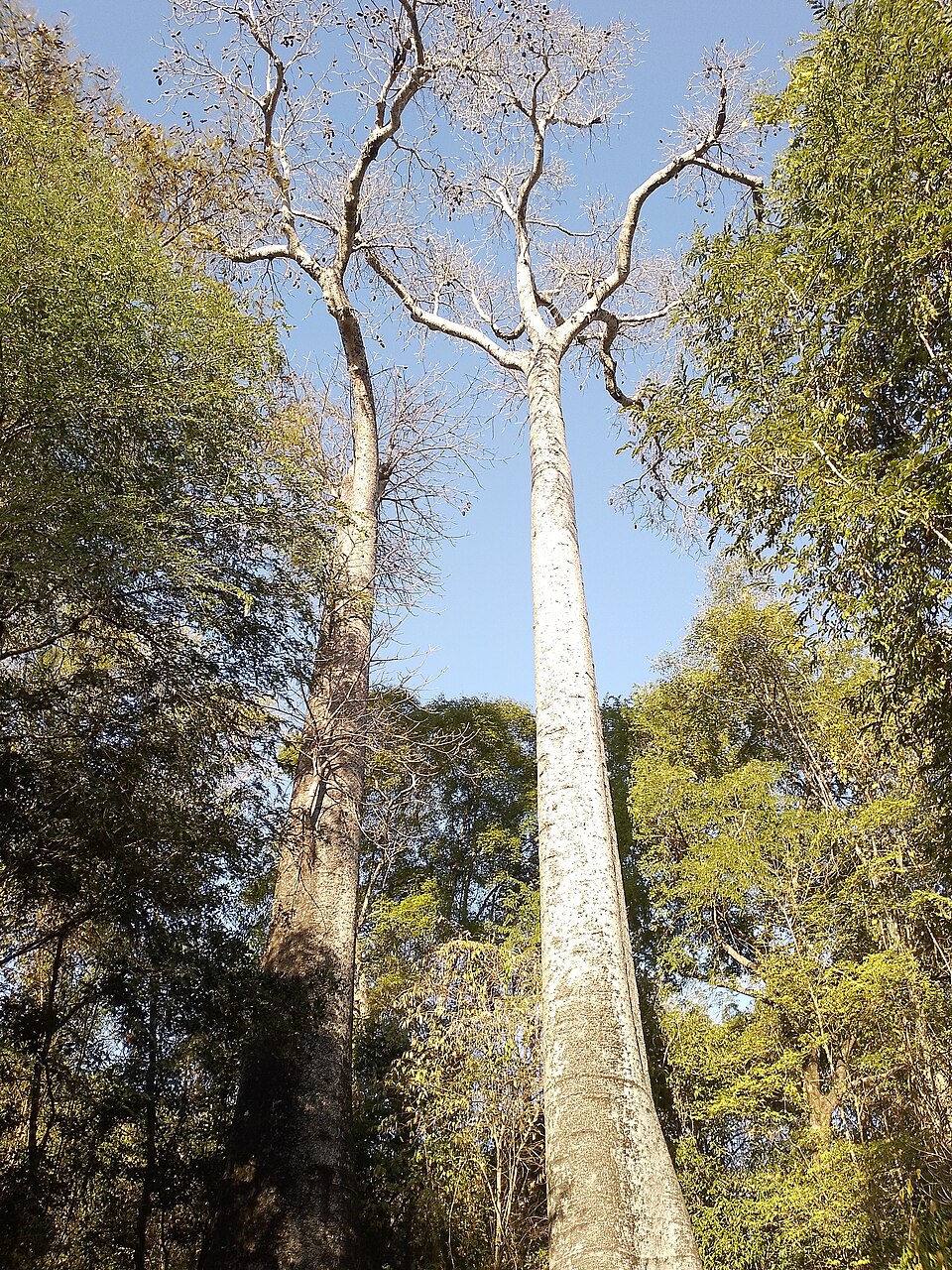
Adansonia L., commonly known as the Baobab, is a genus of iconic deciduous trees in the Bombacaceae family, native to Africa, Madagascar, and Australia. Famous for their massive, bottle-shaped trunks that store water, these long-lived trees produce large white flowers and nutrient-rich fruits. Baobabs hold cultural significance and are vital to local ecosystems and communities.
Adansonia L.
Commonly known as
Adansonia
Adansonia L., commonly known as the Baobab, is a genus of iconic deciduous trees in the Bombacaceae family, native to Africa, Madagascar, and Australia. Famous for their massive, bottle-shaped trunks that store water, these long-lived trees produce large white flowers and nutrient-rich fruits. Baobabs hold cultural significance and are vital to local ecosystems and communities.
Adansonia L.
Commonly known as
Adansonia
Adansonia L., commonly known as the Baobab, is a genus of iconic deciduous trees in the Bombacaceae family, native to Africa, Madagascar, and Australia. Famous for their massive, bottle-shaped trunks that store water, these long-lived trees produce large white flowers and nutrient-rich fruits. Baobabs hold cultural significance and are vital to local ecosystems and communities.
Adansonia L.
Commonly known as
Adansonia
Adansonia L., commonly known as the Baobab, is a genus of iconic deciduous trees in the Bombacaceae family, native to Africa, Madagascar, and Australia. Famous for their massive, bottle-shaped trunks that store water, these long-lived trees produce large white flowers and nutrient-rich fruits. Baobabs hold cultural significance and are vital to local ecosystems and communities.
Adansonia L.
Commonly known as
Adansonia
Adansonia L., commonly known as the Baobab, is a genus of iconic deciduous trees in the Bombacaceae family, native to Africa, Madagascar, and Australia. Famous for their massive, bottle-shaped trunks that store water, these long-lived trees produce large white flowers and nutrient-rich fruits. Baobabs hold cultural significance and are vital to local ecosystems and communities.
Adansonia L.
Commonly known as
Adansonia
Adansonia L., commonly known as the Baobab, is a genus of iconic deciduous trees in the Bombacaceae family, native to Africa, Madagascar, and Australia. Famous for their massive, bottle-shaped trunks that store water, these long-lived trees produce large white flowers and nutrient-rich fruits. Baobabs hold cultural significance and are vital to local ecosystems and communities.
Adansonia L.
Commonly known as
Adansonia
Adansonia L., commonly known as the Baobab, is a genus of iconic deciduous trees in the Bombacaceae family, native to Africa, Madagascar, and Australia. Famous for their massive, bottle-shaped trunks that store water, these long-lived trees produce large white flowers and nutrient-rich fruits. Baobabs hold cultural significance and are vital to local ecosystems and communities.
Identification & Classification
Color & Surface
Vibrant "highlighter yellow" scales. They turn greenish when wet because the yellow skin becomes see-through, revealing the green algae inside.
Shape & Form
A scaly "crust" made of tiny, flat tiles. It grows in irregular patches that look like cracked paint or a tiled floor on the ground.
Fruiting
Small, sunken black or reddish dots in the center of the scales. These act like "launch pads" to release the lichen's spores.
Growth Habitat & Substrate
Strictly soil-dwelling in dry areas. It grows on dirt or among mosses. Pro tip: if it's on a bare rock, it's a different species.
Taxonomy Classification
Kingdom
Plantae
Division
Magnoliophyta
Class
Magnoliopsida
Order
Malvales
Family
Bombacaceae Kunth
Genus
Adansonia L.
Identification & Classification
Color & Surface
Vibrant "highlighter yellow" scales. They turn greenish when wet because the yellow skin becomes see-through, revealing the green algae inside.
Shape & Form
A scaly "crust" made of tiny, flat tiles. It grows in irregular patches that look like cracked paint or a tiled floor on the ground.
Fruiting
Small, sunken black or reddish dots in the center of the scales. These act like "launch pads" to release the lichen's spores.
Growth Habitat & Substrate
Strictly soil-dwelling in dry areas. It grows on dirt or among mosses. Pro tip: if it's on a bare rock, it's a different species.
Taxonomy Classification
Kingdom
Plantae
Division
Magnoliophyta
Class
Magnoliopsida
Order
Malvales
Family
Bombacaceae Kunth
Genus
Adansonia L.
Identification & Classification
Color & Surface
Vibrant "highlighter yellow" scales. They turn greenish when wet because the yellow skin becomes see-through, revealing the green algae inside.
Shape & Form
A scaly "crust" made of tiny, flat tiles. It grows in irregular patches that look like cracked paint or a tiled floor on the ground.
Fruiting
Small, sunken black or reddish dots in the center of the scales. These act like "launch pads" to release the lichen's spores.
Growth Habitat & Substrate
Strictly soil-dwelling in dry areas. It grows on dirt or among mosses. Pro tip: if it's on a bare rock, it's a different species.
Taxonomy Classification
Kingdom
Plantae
Division
Magnoliophyta
Class
Magnoliopsida
Order
Malvales
Family
Bombacaceae Kunth
Genus
Adansonia L.
Identification & Classification
Color & Surface
Vibrant "highlighter yellow" scales. They turn greenish when wet because the yellow skin becomes see-through, revealing the green algae inside.
Shape & Form
A scaly "crust" made of tiny, flat tiles. It grows in irregular patches that look like cracked paint or a tiled floor on the ground.
Fruiting
Small, sunken black or reddish dots in the center of the scales. These act like "launch pads" to release the lichen's spores.
Growth Habitat & Substrate
Strictly soil-dwelling in dry areas. It grows on dirt or among mosses. Pro tip: if it's on a bare rock, it's a different species.
Taxonomy Classification
Kingdom
Plantae
Division
Magnoliophyta
Class
Magnoliopsida
Order
Malvales
Family
Bombacaceae Kunth
Genus
Adansonia L.
Identification & Classification
Color & Surface
Vibrant "highlighter yellow" scales. They turn greenish when wet because the yellow skin becomes see-through, revealing the green algae inside.
Shape & Form
A scaly "crust" made of tiny, flat tiles. It grows in irregular patches that look like cracked paint or a tiled floor on the ground.
Fruiting
Small, sunken black or reddish dots in the center of the scales. These act like "launch pads" to release the lichen's spores.
Growth Habitat & Substrate
Strictly soil-dwelling in dry areas. It grows on dirt or among mosses. Pro tip: if it's on a bare rock, it's a different species.
Taxonomy Classification
Kingdom
Plantae
Division
Magnoliophyta
Class
Magnoliopsida
Order
Malvales
Family
Bombacaceae Kunth
Genus
Adansonia L.
Identification & Classification
Color & Surface
Vibrant "highlighter yellow" scales. They turn greenish when wet because the yellow skin becomes see-through, revealing the green algae inside.
Shape & Form
A scaly "crust" made of tiny, flat tiles. It grows in irregular patches that look like cracked paint or a tiled floor on the ground.
Fruiting
Small, sunken black or reddish dots in the center of the scales. These act like "launch pads" to release the lichen's spores.
Growth Habitat & Substrate
Strictly soil-dwelling in dry areas. It grows on dirt or among mosses. Pro tip: if it's on a bare rock, it's a different species.
Taxonomy Classification
Kingdom
Plantae
Division
Magnoliophyta
Class
Magnoliopsida
Order
Malvales
Family
Bombacaceae Kunth
Genus
Adansonia L.
Care Requirements
Sunlight
Requires full sun for optimal growth and development. Thrives in open, exposed locations with intense, direct sunlight throughout the day.
Temperature
Thrives in hot, arid climates with temperatures between 20–40°C. Sensitive to frost and prolonged cold; requires protection below 10°C.
Nutrient
Tolerates nutrient-poor soils. Light feeding with balanced fertilizer in spring supports growth, but excessive fertilization is unnecessary.
Soil
Prefers well-drained, sandy or loamy soils. Tolerates poor, rocky substrates; avoid heavy clay or waterlogged conditions, which cause root rot.
Maintenance
Low-maintenance tree. Pruning is rarely needed. Protect young trees from frost and ensure excellent drainage to prevent fungal issues.
Water
Highly drought-tolerant once established due to water-storing trunk. Water sparingly; allow soil to dry completely between waterings to prevent root rot.
Care Requirements
Sunlight
Requires full sun for optimal growth and development. Thrives in open, exposed locations with intense, direct sunlight throughout the day.
Temperature
Thrives in hot, arid climates with temperatures between 20–40°C. Sensitive to frost and prolonged cold; requires protection below 10°C.
Nutrient
Tolerates nutrient-poor soils. Light feeding with balanced fertilizer in spring supports growth, but excessive fertilization is unnecessary.
Soil
Prefers well-drained, sandy or loamy soils. Tolerates poor, rocky substrates; avoid heavy clay or waterlogged conditions, which cause root rot.
Maintenance
Low-maintenance tree. Pruning is rarely needed. Protect young trees from frost and ensure excellent drainage to prevent fungal issues.
Water
Highly drought-tolerant once established due to water-storing trunk. Water sparingly; allow soil to dry completely between waterings to prevent root rot.
Care Requirements
Sunlight
Requires full sun for optimal growth and development. Thrives in open, exposed locations with intense, direct sunlight throughout the day.
Temperature
Thrives in hot, arid climates with temperatures between 20–40°C. Sensitive to frost and prolonged cold; requires protection below 10°C.
Nutrient
Tolerates nutrient-poor soils. Light feeding with balanced fertilizer in spring supports growth, but excessive fertilization is unnecessary.
Soil
Prefers well-drained, sandy or loamy soils. Tolerates poor, rocky substrates; avoid heavy clay or waterlogged conditions, which cause root rot.
Maintenance
Low-maintenance tree. Pruning is rarely needed. Protect young trees from frost and ensure excellent drainage to prevent fungal issues.
Water
Highly drought-tolerant once established due to water-storing trunk. Water sparingly; allow soil to dry completely between waterings to prevent root rot.
Care Requirements
Sunlight
Requires full sun for optimal growth and development. Thrives in open, exposed locations with intense, direct sunlight throughout the day.
Temperature
Thrives in hot, arid climates with temperatures between 20–40°C. Sensitive to frost and prolonged cold; requires protection below 10°C.
Nutrient
Tolerates nutrient-poor soils. Light feeding with balanced fertilizer in spring supports growth, but excessive fertilization is unnecessary.
Soil
Prefers well-drained, sandy or loamy soils. Tolerates poor, rocky substrates; avoid heavy clay or waterlogged conditions, which cause root rot.
Maintenance
Low-maintenance tree. Pruning is rarely needed. Protect young trees from frost and ensure excellent drainage to prevent fungal issues.
Water
Highly drought-tolerant once established due to water-storing trunk. Water sparingly; allow soil to dry completely between waterings to prevent root rot.
Care Requirements
Sunlight
Requires full sun for optimal growth and development. Thrives in open, exposed locations with intense, direct sunlight throughout the day.
Temperature
Thrives in hot, arid climates with temperatures between 20–40°C. Sensitive to frost and prolonged cold; requires protection below 10°C.
Nutrient
Tolerates nutrient-poor soils. Light feeding with balanced fertilizer in spring supports growth, but excessive fertilization is unnecessary.
Soil
Prefers well-drained, sandy or loamy soils. Tolerates poor, rocky substrates; avoid heavy clay or waterlogged conditions, which cause root rot.
Maintenance
Low-maintenance tree. Pruning is rarely needed. Protect young trees from frost and ensure excellent drainage to prevent fungal issues.
Water
Highly drought-tolerant once established due to water-storing trunk. Water sparingly; allow soil to dry completely between waterings to prevent root rot.
Care Requirements
Sunlight
Requires full sun for optimal growth and development. Thrives in open, exposed locations with intense, direct sunlight throughout the day.
Temperature
Thrives in hot, arid climates with temperatures between 20–40°C. Sensitive to frost and prolonged cold; requires protection below 10°C.
Nutrient
Tolerates nutrient-poor soils. Light feeding with balanced fertilizer in spring supports growth, but excessive fertilization is unnecessary.
Soil
Prefers well-drained, sandy or loamy soils. Tolerates poor, rocky substrates; avoid heavy clay or waterlogged conditions, which cause root rot.
Maintenance
Low-maintenance tree. Pruning is rarely needed. Protect young trees from frost and ensure excellent drainage to prevent fungal issues.
Water
Highly drought-tolerant once established due to water-storing trunk. Water sparingly; allow soil to dry completely between waterings to prevent root rot.
Seasonal Behavior
Spring
New leaves emerge after the dry season as temperatures rise. This marks the beginning of the active growth period and potential flowering.

Autumn
Fruits mature and ripen. Leaves begin to yellow and drop as the tree prepares for its leafless dormant period during the dry season.

Winter
Deciduous and dormant during the dry season, standing leafless. The swollen trunk stores water, sustaining the tree through extended drought.

Summer
Peak growth period with full foliage. Large, pendulous white flowers bloom at night, pollinated by bats and moths. Fruits begin to develop.

Seasonal Behavior
Spring
New leaves emerge after the dry season as temperatures rise. This marks the beginning of the active growth period and potential flowering.
Autumn
Fruits mature and ripen. Leaves begin to yellow and drop as the tree prepares for its leafless dormant period during the dry season.
Winter
Deciduous and dormant during the dry season, standing leafless. The swollen trunk stores water, sustaining the tree through extended drought.
Summer
Peak growth period with full foliage. Large, pendulous white flowers bloom at night, pollinated by bats and moths. Fruits begin to develop.
Seasonal Behavior
Spring
New leaves emerge after the dry season as temperatures rise. This marks the beginning of the active growth period and potential flowering.
Autumn
Fruits mature and ripen. Leaves begin to yellow and drop as the tree prepares for its leafless dormant period during the dry season.
Winter
Deciduous and dormant during the dry season, standing leafless. The swollen trunk stores water, sustaining the tree through extended drought.
Summer
Peak growth period with full foliage. Large, pendulous white flowers bloom at night, pollinated by bats and moths. Fruits begin to develop.
Seasonal Behavior
Spring
New leaves emerge after the dry season as temperatures rise. This marks the beginning of the active growth period and potential flowering.
Autumn
Fruits mature and ripen. Leaves begin to yellow and drop as the tree prepares for its leafless dormant period during the dry season.
Winter
Deciduous and dormant during the dry season, standing leafless. The swollen trunk stores water, sustaining the tree through extended drought.
Summer
Peak growth period with full foliage. Large, pendulous white flowers bloom at night, pollinated by bats and moths. Fruits begin to develop.
Seasonal Behavior
Spring
New leaves emerge after the dry season as temperatures rise. This marks the beginning of the active growth period and potential flowering.
Autumn
Fruits mature and ripen. Leaves begin to yellow and drop as the tree prepares for its leafless dormant period during the dry season.
Winter
Deciduous and dormant during the dry season, standing leafless. The swollen trunk stores water, sustaining the tree through extended drought.
Summer
Peak growth period with full foliage. Large, pendulous white flowers bloom at night, pollinated by bats and moths. Fruits begin to develop.