Adlumia Raf. ex DC.
Commonly known as
Adlumia
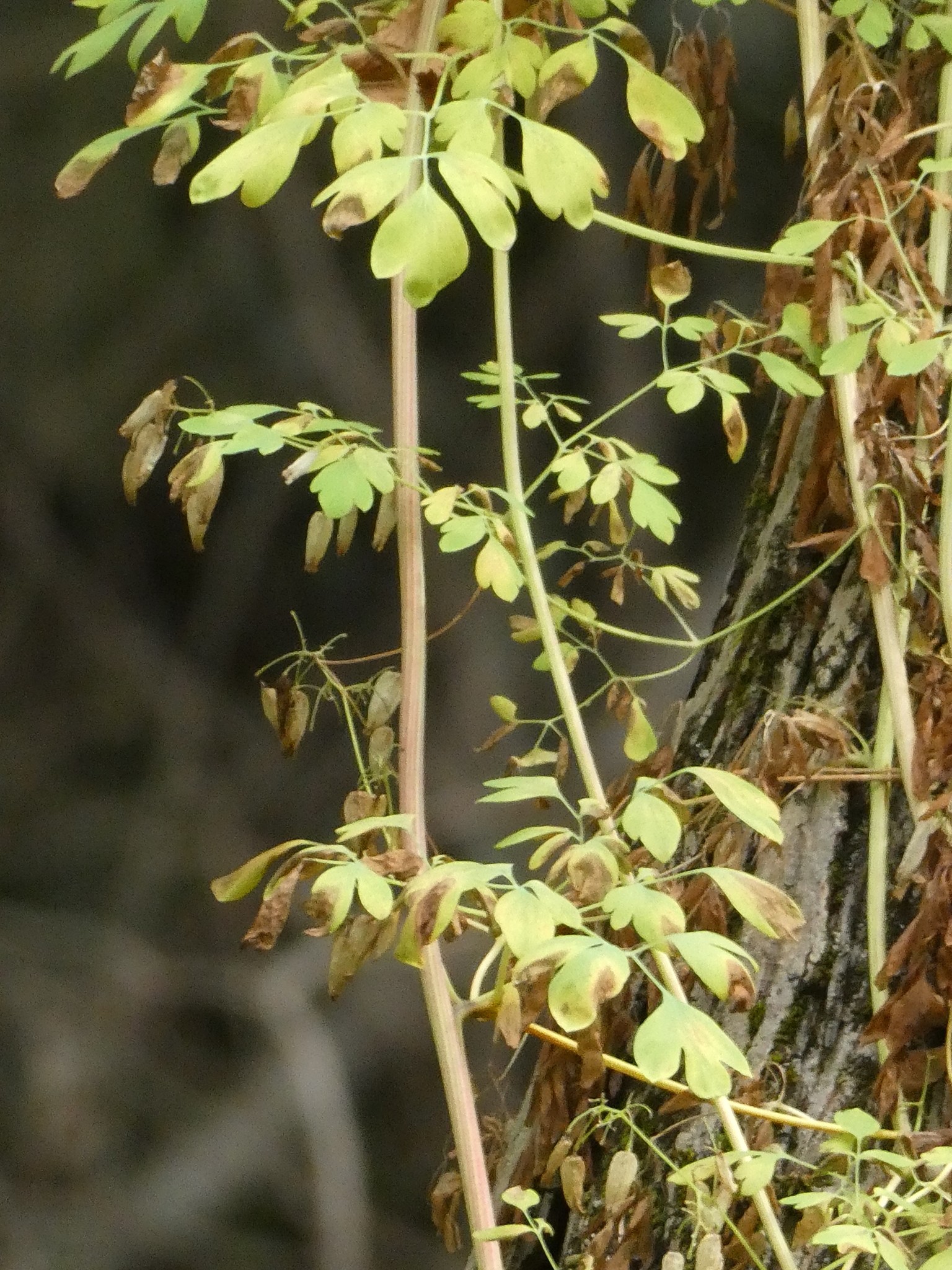
Adlumia Raf. ex DC. is a biennial climbing vine with fern-like foliage and pale pink flowers, native to eastern North America.
Adlumia Raf. ex DC.
Commonly known as
Adlumia
Adlumia Raf. ex DC. is a biennial climbing vine with fern-like foliage and pale pink flowers, native to eastern North America.
Adlumia Raf. ex DC.
Commonly known as
Adlumia
Adlumia Raf. ex DC. is a biennial climbing vine with fern-like foliage and pale pink flowers, native to eastern North America.
Adlumia Raf. ex DC.
Commonly known as
Adlumia
Adlumia Raf. ex DC. is a biennial climbing vine with fern-like foliage and pale pink flowers, native to eastern North America.
Adlumia Raf. ex DC.
Commonly known as
Adlumia
Adlumia Raf. ex DC. is a biennial climbing vine with fern-like foliage and pale pink flowers, native to eastern North America.
Adlumia Raf. ex DC.
Commonly known as
Adlumia
Adlumia Raf. ex DC. is a biennial climbing vine with fern-like foliage and pale pink flowers, native to eastern North America.
Adlumia Raf. ex DC.
Commonly known as
Adlumia
Adlumia Raf. ex DC. is a biennial climbing vine with fern-like foliage and pale pink flowers, native to eastern North America.
Identification & Classification
Color & Surface
Vibrant "highlighter yellow" scales. They turn greenish when wet because the yellow skin becomes see-through, revealing the green algae inside.
Shape & Form
A scaly "crust" made of tiny, flat tiles. It grows in irregular patches that look like cracked paint or a tiled floor on the ground.
Fruiting
Small, sunken black or reddish dots in the center of the scales. These act like "launch pads" to release the lichen's spores.
Growth Habitat & Substrate
Strictly soil-dwelling in dry areas. It grows on dirt or among mosses. Pro tip: if it's on a bare rock, it's a different species.
Taxonomy Classification
Kingdom
Plantae
Division
Magnoliophyta
Class
Magnoliopsida
Order
Papaverales
Family
Fumariaceae Marquis
Genus
Adlumia Raf. ex DC.
Identification & Classification
Color & Surface
Vibrant "highlighter yellow" scales. They turn greenish when wet because the yellow skin becomes see-through, revealing the green algae inside.
Shape & Form
A scaly "crust" made of tiny, flat tiles. It grows in irregular patches that look like cracked paint or a tiled floor on the ground.
Fruiting
Small, sunken black or reddish dots in the center of the scales. These act like "launch pads" to release the lichen's spores.
Growth Habitat & Substrate
Strictly soil-dwelling in dry areas. It grows on dirt or among mosses. Pro tip: if it's on a bare rock, it's a different species.
Taxonomy Classification
Kingdom
Plantae
Division
Magnoliophyta
Class
Magnoliopsida
Order
Papaverales
Family
Fumariaceae Marquis
Genus
Adlumia Raf. ex DC.
Identification & Classification
Color & Surface
Vibrant "highlighter yellow" scales. They turn greenish when wet because the yellow skin becomes see-through, revealing the green algae inside.
Shape & Form
A scaly "crust" made of tiny, flat tiles. It grows in irregular patches that look like cracked paint or a tiled floor on the ground.
Fruiting
Small, sunken black or reddish dots in the center of the scales. These act like "launch pads" to release the lichen's spores.
Growth Habitat & Substrate
Strictly soil-dwelling in dry areas. It grows on dirt or among mosses. Pro tip: if it's on a bare rock, it's a different species.
Taxonomy Classification
Kingdom
Plantae
Division
Magnoliophyta
Class
Magnoliopsida
Order
Papaverales
Family
Fumariaceae Marquis
Genus
Adlumia Raf. ex DC.
Identification & Classification
Color & Surface
Vibrant "highlighter yellow" scales. They turn greenish when wet because the yellow skin becomes see-through, revealing the green algae inside.
Shape & Form
A scaly "crust" made of tiny, flat tiles. It grows in irregular patches that look like cracked paint or a tiled floor on the ground.
Fruiting
Small, sunken black or reddish dots in the center of the scales. These act like "launch pads" to release the lichen's spores.
Growth Habitat & Substrate
Strictly soil-dwelling in dry areas. It grows on dirt or among mosses. Pro tip: if it's on a bare rock, it's a different species.
Taxonomy Classification
Kingdom
Plantae
Division
Magnoliophyta
Class
Magnoliopsida
Order
Papaverales
Family
Fumariaceae Marquis
Genus
Adlumia Raf. ex DC.
Identification & Classification
Color & Surface
Vibrant "highlighter yellow" scales. They turn greenish when wet because the yellow skin becomes see-through, revealing the green algae inside.
Shape & Form
A scaly "crust" made of tiny, flat tiles. It grows in irregular patches that look like cracked paint or a tiled floor on the ground.
Fruiting
Small, sunken black or reddish dots in the center of the scales. These act like "launch pads" to release the lichen's spores.
Growth Habitat & Substrate
Strictly soil-dwelling in dry areas. It grows on dirt or among mosses. Pro tip: if it's on a bare rock, it's a different species.
Taxonomy Classification
Kingdom
Plantae
Division
Magnoliophyta
Class
Magnoliopsida
Order
Papaverales
Family
Fumariaceae Marquis
Genus
Adlumia Raf. ex DC.
Identification & Classification
Color & Surface
Vibrant "highlighter yellow" scales. They turn greenish when wet because the yellow skin becomes see-through, revealing the green algae inside.
Shape & Form
A scaly "crust" made of tiny, flat tiles. It grows in irregular patches that look like cracked paint or a tiled floor on the ground.
Fruiting
Small, sunken black or reddish dots in the center of the scales. These act like "launch pads" to release the lichen's spores.
Growth Habitat & Substrate
Strictly soil-dwelling in dry areas. It grows on dirt or among mosses. Pro tip: if it's on a bare rock, it's a different species.
Taxonomy Classification
Kingdom
Plantae
Division
Magnoliophyta
Class
Magnoliopsida
Order
Papaverales
Family
Fumariaceae Marquis
Genus
Adlumia Raf. ex DC.
Care Requirements
Sunlight
Prefers partial shade to dappled sunlight, typical of woodland edges. Tolerates morning sun but benefits from protection during hot afternoons.
Temperature
Hardy in temperate climates, tolerating temperatures from -20°C to 25°C. Thrives in cool, moist conditions; sensitive to extreme heat.
Nutrient
Benefits from organic matter and light feeding with balanced fertilizer in spring. Avoid excessive nitrogen, which promotes foliage over flowers.
Soil
Grows best in rich, humus-laden, well-drained soil with a slightly acidic to neutral pH. Tolerates rocky or gravelly substrates if moisture is adequate.
Maintenance
Provide sturdy support for climbing stems. Remove spent foliage after the biennial cycle completes. Allow self-seeding for continued presence.
Water
Requires consistently moist, well-drained soil. Water regularly during dry periods but avoid waterlogging, which can cause root rot.
Care Requirements
Sunlight
Prefers partial shade to dappled sunlight, typical of woodland edges. Tolerates morning sun but benefits from protection during hot afternoons.
Temperature
Hardy in temperate climates, tolerating temperatures from -20°C to 25°C. Thrives in cool, moist conditions; sensitive to extreme heat.
Nutrient
Benefits from organic matter and light feeding with balanced fertilizer in spring. Avoid excessive nitrogen, which promotes foliage over flowers.
Soil
Grows best in rich, humus-laden, well-drained soil with a slightly acidic to neutral pH. Tolerates rocky or gravelly substrates if moisture is adequate.
Maintenance
Provide sturdy support for climbing stems. Remove spent foliage after the biennial cycle completes. Allow self-seeding for continued presence.
Water
Requires consistently moist, well-drained soil. Water regularly during dry periods but avoid waterlogging, which can cause root rot.
Care Requirements
Sunlight
Prefers partial shade to dappled sunlight, typical of woodland edges. Tolerates morning sun but benefits from protection during hot afternoons.
Temperature
Hardy in temperate climates, tolerating temperatures from -20°C to 25°C. Thrives in cool, moist conditions; sensitive to extreme heat.
Nutrient
Benefits from organic matter and light feeding with balanced fertilizer in spring. Avoid excessive nitrogen, which promotes foliage over flowers.
Soil
Grows best in rich, humus-laden, well-drained soil with a slightly acidic to neutral pH. Tolerates rocky or gravelly substrates if moisture is adequate.
Maintenance
Provide sturdy support for climbing stems. Remove spent foliage after the biennial cycle completes. Allow self-seeding for continued presence.
Water
Requires consistently moist, well-drained soil. Water regularly during dry periods but avoid waterlogging, which can cause root rot.
Care Requirements
Sunlight
Prefers partial shade to dappled sunlight, typical of woodland edges. Tolerates morning sun but benefits from protection during hot afternoons.
Temperature
Hardy in temperate climates, tolerating temperatures from -20°C to 25°C. Thrives in cool, moist conditions; sensitive to extreme heat.
Nutrient
Benefits from organic matter and light feeding with balanced fertilizer in spring. Avoid excessive nitrogen, which promotes foliage over flowers.
Soil
Grows best in rich, humus-laden, well-drained soil with a slightly acidic to neutral pH. Tolerates rocky or gravelly substrates if moisture is adequate.
Maintenance
Provide sturdy support for climbing stems. Remove spent foliage after the biennial cycle completes. Allow self-seeding for continued presence.
Water
Requires consistently moist, well-drained soil. Water regularly during dry periods but avoid waterlogging, which can cause root rot.
Care Requirements
Sunlight
Prefers partial shade to dappled sunlight, typical of woodland edges. Tolerates morning sun but benefits from protection during hot afternoons.
Temperature
Hardy in temperate climates, tolerating temperatures from -20°C to 25°C. Thrives in cool, moist conditions; sensitive to extreme heat.
Nutrient
Benefits from organic matter and light feeding with balanced fertilizer in spring. Avoid excessive nitrogen, which promotes foliage over flowers.
Soil
Grows best in rich, humus-laden, well-drained soil with a slightly acidic to neutral pH. Tolerates rocky or gravelly substrates if moisture is adequate.
Maintenance
Provide sturdy support for climbing stems. Remove spent foliage after the biennial cycle completes. Allow self-seeding for continued presence.
Water
Requires consistently moist, well-drained soil. Water regularly during dry periods but avoid waterlogging, which can cause root rot.
Care Requirements
Sunlight
Prefers partial shade to dappled sunlight, typical of woodland edges. Tolerates morning sun but benefits from protection during hot afternoons.
Temperature
Hardy in temperate climates, tolerating temperatures from -20°C to 25°C. Thrives in cool, moist conditions; sensitive to extreme heat.
Nutrient
Benefits from organic matter and light feeding with balanced fertilizer in spring. Avoid excessive nitrogen, which promotes foliage over flowers.
Soil
Grows best in rich, humus-laden, well-drained soil with a slightly acidic to neutral pH. Tolerates rocky or gravelly substrates if moisture is adequate.
Maintenance
Provide sturdy support for climbing stems. Remove spent foliage after the biennial cycle completes. Allow self-seeding for continued presence.
Water
Requires consistently moist, well-drained soil. Water regularly during dry periods but avoid waterlogging, which can cause root rot.
Seasonal Behavior
Spring
First-year plants produce basal foliage. Second-year plants send up climbing stems rapidly as temperatures warm, preparing for summer flowering.

Autumn
Flowers fade and seed capsules develop. Foliage yellows and dies back as the biennial plant completes its life cycle after seeding.

Winter
First-year rosettes remain semi-evergreen in mild winters. Second-year plants die after seeding; seeds overwinter in the soil for spring germination.

Summer
Peak flowering occurs in summer with drooping clusters of pale pink to white tubular flowers. Climbing stems reach their full height.

Seasonal Behavior
Spring
First-year plants produce basal foliage. Second-year plants send up climbing stems rapidly as temperatures warm, preparing for summer flowering.
Autumn
Flowers fade and seed capsules develop. Foliage yellows and dies back as the biennial plant completes its life cycle after seeding.
Winter
First-year rosettes remain semi-evergreen in mild winters. Second-year plants die after seeding; seeds overwinter in the soil for spring germination.
Summer
Peak flowering occurs in summer with drooping clusters of pale pink to white tubular flowers. Climbing stems reach their full height.
Seasonal Behavior
Spring
First-year plants produce basal foliage. Second-year plants send up climbing stems rapidly as temperatures warm, preparing for summer flowering.
Autumn
Flowers fade and seed capsules develop. Foliage yellows and dies back as the biennial plant completes its life cycle after seeding.
Winter
First-year rosettes remain semi-evergreen in mild winters. Second-year plants die after seeding; seeds overwinter in the soil for spring germination.
Summer
Peak flowering occurs in summer with drooping clusters of pale pink to white tubular flowers. Climbing stems reach their full height.
Seasonal Behavior
Spring
First-year plants produce basal foliage. Second-year plants send up climbing stems rapidly as temperatures warm, preparing for summer flowering.
Autumn
Flowers fade and seed capsules develop. Foliage yellows and dies back as the biennial plant completes its life cycle after seeding.
Winter
First-year rosettes remain semi-evergreen in mild winters. Second-year plants die after seeding; seeds overwinter in the soil for spring germination.
Summer
Peak flowering occurs in summer with drooping clusters of pale pink to white tubular flowers. Climbing stems reach their full height.
Seasonal Behavior
Spring
First-year plants produce basal foliage. Second-year plants send up climbing stems rapidly as temperatures warm, preparing for summer flowering.
Autumn
Flowers fade and seed capsules develop. Foliage yellows and dies back as the biennial plant completes its life cycle after seeding.
Winter
First-year rosettes remain semi-evergreen in mild winters. Second-year plants die after seeding; seeds overwinter in the soil for spring germination.
Summer
Peak flowering occurs in summer with drooping clusters of pale pink to white tubular flowers. Climbing stems reach their full height.