Aframomum Schum.
Commonly known as
Aframomum
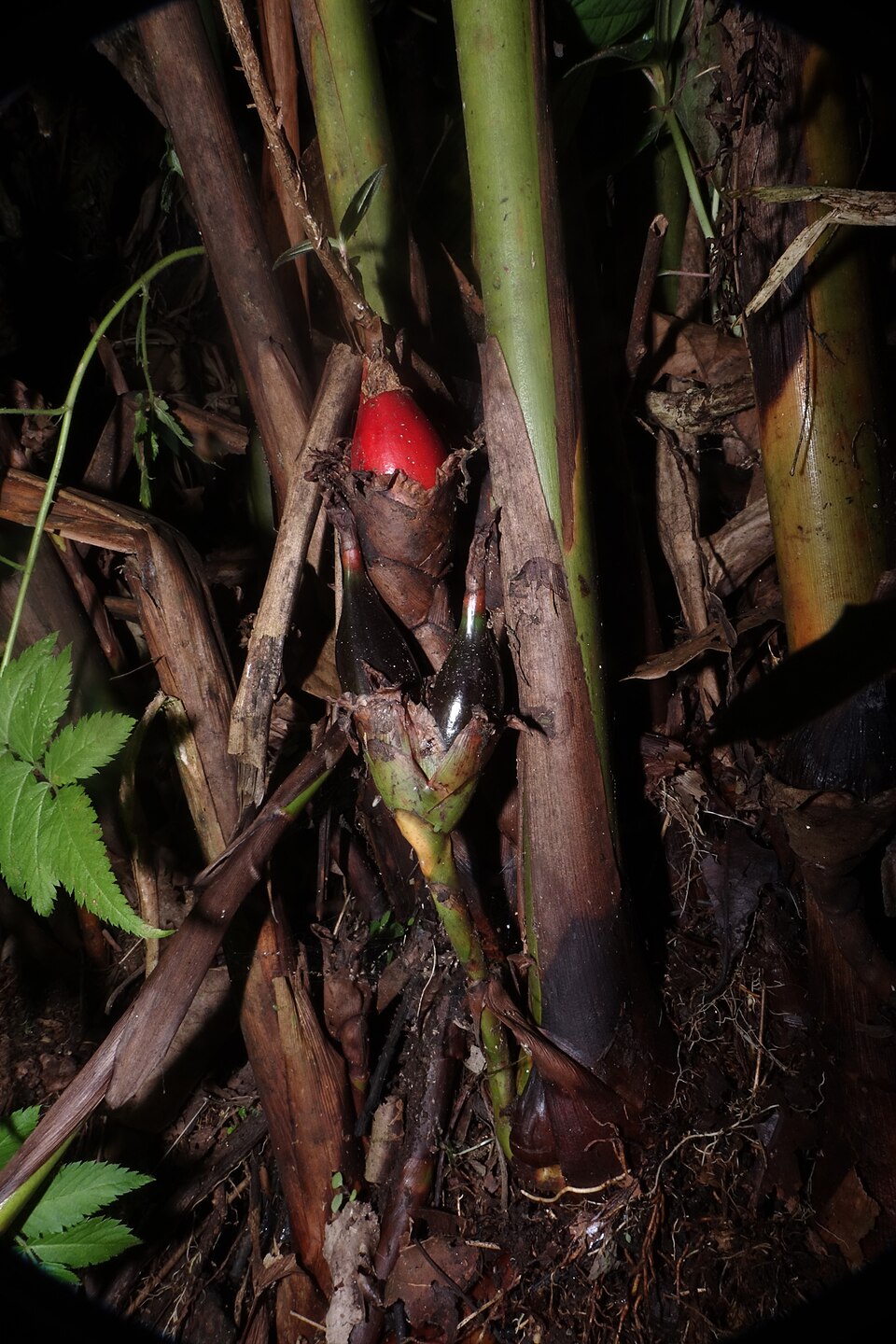
Aframomum Schum. is a genus of aromatic, rhizomatous perennial herbs in the ginger family (Zingiberaceae), native to tropical African rainforests, producing fleshy fruits with tangy, spice-laden seeds known as grains of paradise.
Aframomum Schum.
Commonly known as
Aframomum
Aframomum Schum. is a genus of aromatic, rhizomatous perennial herbs in the ginger family (Zingiberaceae), native to tropical African rainforests, producing fleshy fruits with tangy, spice-laden seeds known as grains of paradise.
Aframomum Schum.
Commonly known as
Aframomum
Aframomum Schum. is a genus of aromatic, rhizomatous perennial herbs in the ginger family (Zingiberaceae), native to tropical African rainforests, producing fleshy fruits with tangy, spice-laden seeds known as grains of paradise.
Aframomum Schum.
Commonly known as
Aframomum
Aframomum Schum. is a genus of aromatic, rhizomatous perennial herbs in the ginger family (Zingiberaceae), native to tropical African rainforests, producing fleshy fruits with tangy, spice-laden seeds known as grains of paradise.
Aframomum Schum.
Commonly known as
Aframomum
Aframomum Schum. is a genus of aromatic, rhizomatous perennial herbs in the ginger family (Zingiberaceae), native to tropical African rainforests, producing fleshy fruits with tangy, spice-laden seeds known as grains of paradise.
Aframomum Schum.
Commonly known as
Aframomum
Aframomum Schum. is a genus of aromatic, rhizomatous perennial herbs in the ginger family (Zingiberaceae), native to tropical African rainforests, producing fleshy fruits with tangy, spice-laden seeds known as grains of paradise.
Aframomum Schum.
Commonly known as
Aframomum
Aframomum Schum. is a genus of aromatic, rhizomatous perennial herbs in the ginger family (Zingiberaceae), native to tropical African rainforests, producing fleshy fruits with tangy, spice-laden seeds known as grains of paradise.
Identification & Classification
Color & Surface
Vibrant "highlighter yellow" scales. They turn greenish when wet because the yellow skin becomes see-through, revealing the green algae inside.
Shape & Form
A scaly "crust" made of tiny, flat tiles. It grows in irregular patches that look like cracked paint or a tiled floor on the ground.
Fruiting
Small, sunken black or reddish dots in the center of the scales. These act like "launch pads" to release the lichen's spores.
Growth Habitat & Substrate
Strictly soil-dwelling in dry areas. It grows on dirt or among mosses. Pro tip: if it's on a bare rock, it's a different species.
Taxonomy Classification
Kingdom
Plantae
Division
Magnoliophyta
Class
Liliopsida
Order
Zingiberales
Family
Zingiberaceae Martinov
Genus
Aframomum Schum.
Identification & Classification
Color & Surface
Vibrant "highlighter yellow" scales. They turn greenish when wet because the yellow skin becomes see-through, revealing the green algae inside.
Shape & Form
A scaly "crust" made of tiny, flat tiles. It grows in irregular patches that look like cracked paint or a tiled floor on the ground.
Fruiting
Small, sunken black or reddish dots in the center of the scales. These act like "launch pads" to release the lichen's spores.
Growth Habitat & Substrate
Strictly soil-dwelling in dry areas. It grows on dirt or among mosses. Pro tip: if it's on a bare rock, it's a different species.
Taxonomy Classification
Kingdom
Plantae
Division
Magnoliophyta
Class
Liliopsida
Order
Zingiberales
Family
Zingiberaceae Martinov
Genus
Aframomum Schum.
Identification & Classification
Color & Surface
Vibrant "highlighter yellow" scales. They turn greenish when wet because the yellow skin becomes see-through, revealing the green algae inside.
Shape & Form
A scaly "crust" made of tiny, flat tiles. It grows in irregular patches that look like cracked paint or a tiled floor on the ground.
Fruiting
Small, sunken black or reddish dots in the center of the scales. These act like "launch pads" to release the lichen's spores.
Growth Habitat & Substrate
Strictly soil-dwelling in dry areas. It grows on dirt or among mosses. Pro tip: if it's on a bare rock, it's a different species.
Taxonomy Classification
Kingdom
Plantae
Division
Magnoliophyta
Class
Liliopsida
Order
Zingiberales
Family
Zingiberaceae Martinov
Genus
Aframomum Schum.
Identification & Classification
Color & Surface
Vibrant "highlighter yellow" scales. They turn greenish when wet because the yellow skin becomes see-through, revealing the green algae inside.
Shape & Form
A scaly "crust" made of tiny, flat tiles. It grows in irregular patches that look like cracked paint or a tiled floor on the ground.
Fruiting
Small, sunken black or reddish dots in the center of the scales. These act like "launch pads" to release the lichen's spores.
Growth Habitat & Substrate
Strictly soil-dwelling in dry areas. It grows on dirt or among mosses. Pro tip: if it's on a bare rock, it's a different species.
Taxonomy Classification
Kingdom
Plantae
Division
Magnoliophyta
Class
Liliopsida
Order
Zingiberales
Family
Zingiberaceae Martinov
Genus
Aframomum Schum.
Identification & Classification
Color & Surface
Vibrant "highlighter yellow" scales. They turn greenish when wet because the yellow skin becomes see-through, revealing the green algae inside.
Shape & Form
A scaly "crust" made of tiny, flat tiles. It grows in irregular patches that look like cracked paint or a tiled floor on the ground.
Fruiting
Small, sunken black or reddish dots in the center of the scales. These act like "launch pads" to release the lichen's spores.
Growth Habitat & Substrate
Strictly soil-dwelling in dry areas. It grows on dirt or among mosses. Pro tip: if it's on a bare rock, it's a different species.
Taxonomy Classification
Kingdom
Plantae
Division
Magnoliophyta
Class
Liliopsida
Order
Zingiberales
Family
Zingiberaceae Martinov
Genus
Aframomum Schum.
Identification & Classification
Color & Surface
Vibrant "highlighter yellow" scales. They turn greenish when wet because the yellow skin becomes see-through, revealing the green algae inside.
Shape & Form
A scaly "crust" made of tiny, flat tiles. It grows in irregular patches that look like cracked paint or a tiled floor on the ground.
Fruiting
Small, sunken black or reddish dots in the center of the scales. These act like "launch pads" to release the lichen's spores.
Growth Habitat & Substrate
Strictly soil-dwelling in dry areas. It grows on dirt or among mosses. Pro tip: if it's on a bare rock, it's a different species.
Taxonomy Classification
Kingdom
Plantae
Division
Magnoliophyta
Class
Liliopsida
Order
Zingiberales
Family
Zingiberaceae Martinov
Genus
Aframomum Schum.
Care Requirements
Sunlight
Prefers partial shade to dappled sunlight, mimicking the forest understory. Tolerates some direct morning sun but avoid harsh midday light.
Temperature
Thrives in warm, tropical temperatures between 20–30°C. Sensitive to cold; protect from temperatures below 15°C and frost.
Nutrient
Benefits from regular feeding with a balanced, slow-release fertilizer during the growing season. Supplement with organic compost for best results.
Soil
Grows best in rich, humus-laden, well-drained soil with a slightly acidic to neutral pH. Amend with organic matter for optimal growth.
Maintenance
Moderate maintenance. Remove spent flower stalks and yellowing leaves. Divide clumps every few years to maintain vigor and prevent overcrowding.
Water
Requires consistently moist soil and high humidity. Water regularly, never allowing the soil to dry out completely. Mist foliage in dry conditions.
Care Requirements
Sunlight
Prefers partial shade to dappled sunlight, mimicking the forest understory. Tolerates some direct morning sun but avoid harsh midday light.
Temperature
Thrives in warm, tropical temperatures between 20–30°C. Sensitive to cold; protect from temperatures below 15°C and frost.
Nutrient
Benefits from regular feeding with a balanced, slow-release fertilizer during the growing season. Supplement with organic compost for best results.
Soil
Grows best in rich, humus-laden, well-drained soil with a slightly acidic to neutral pH. Amend with organic matter for optimal growth.
Maintenance
Moderate maintenance. Remove spent flower stalks and yellowing leaves. Divide clumps every few years to maintain vigor and prevent overcrowding.
Water
Requires consistently moist soil and high humidity. Water regularly, never allowing the soil to dry out completely. Mist foliage in dry conditions.
Care Requirements
Sunlight
Prefers partial shade to dappled sunlight, mimicking the forest understory. Tolerates some direct morning sun but avoid harsh midday light.
Temperature
Thrives in warm, tropical temperatures between 20–30°C. Sensitive to cold; protect from temperatures below 15°C and frost.
Nutrient
Benefits from regular feeding with a balanced, slow-release fertilizer during the growing season. Supplement with organic compost for best results.
Soil
Grows best in rich, humus-laden, well-drained soil with a slightly acidic to neutral pH. Amend with organic matter for optimal growth.
Maintenance
Moderate maintenance. Remove spent flower stalks and yellowing leaves. Divide clumps every few years to maintain vigor and prevent overcrowding.
Water
Requires consistently moist soil and high humidity. Water regularly, never allowing the soil to dry out completely. Mist foliage in dry conditions.
Care Requirements
Sunlight
Prefers partial shade to dappled sunlight, mimicking the forest understory. Tolerates some direct morning sun but avoid harsh midday light.
Temperature
Thrives in warm, tropical temperatures between 20–30°C. Sensitive to cold; protect from temperatures below 15°C and frost.
Nutrient
Benefits from regular feeding with a balanced, slow-release fertilizer during the growing season. Supplement with organic compost for best results.
Soil
Grows best in rich, humus-laden, well-drained soil with a slightly acidic to neutral pH. Amend with organic matter for optimal growth.
Maintenance
Moderate maintenance. Remove spent flower stalks and yellowing leaves. Divide clumps every few years to maintain vigor and prevent overcrowding.
Water
Requires consistently moist soil and high humidity. Water regularly, never allowing the soil to dry out completely. Mist foliage in dry conditions.
Care Requirements
Sunlight
Prefers partial shade to dappled sunlight, mimicking the forest understory. Tolerates some direct morning sun but avoid harsh midday light.
Temperature
Thrives in warm, tropical temperatures between 20–30°C. Sensitive to cold; protect from temperatures below 15°C and frost.
Nutrient
Benefits from regular feeding with a balanced, slow-release fertilizer during the growing season. Supplement with organic compost for best results.
Soil
Grows best in rich, humus-laden, well-drained soil with a slightly acidic to neutral pH. Amend with organic matter for optimal growth.
Maintenance
Moderate maintenance. Remove spent flower stalks and yellowing leaves. Divide clumps every few years to maintain vigor and prevent overcrowding.
Water
Requires consistently moist soil and high humidity. Water regularly, never allowing the soil to dry out completely. Mist foliage in dry conditions.
Care Requirements
Sunlight
Prefers partial shade to dappled sunlight, mimicking the forest understory. Tolerates some direct morning sun but avoid harsh midday light.
Temperature
Thrives in warm, tropical temperatures between 20–30°C. Sensitive to cold; protect from temperatures below 15°C and frost.
Nutrient
Benefits from regular feeding with a balanced, slow-release fertilizer during the growing season. Supplement with organic compost for best results.
Soil
Grows best in rich, humus-laden, well-drained soil with a slightly acidic to neutral pH. Amend with organic matter for optimal growth.
Maintenance
Moderate maintenance. Remove spent flower stalks and yellowing leaves. Divide clumps every few years to maintain vigor and prevent overcrowding.
Water
Requires consistently moist soil and high humidity. Water regularly, never allowing the soil to dry out completely. Mist foliage in dry conditions.
Seasonal Behavior
Spring
Active growth resumes in spring with new shoots emerging from rhizomes. This is the best time for dividing and repotting.

Autumn
Growth slows as temperatures and light levels decrease. Reduce watering slightly but maintain humidity around the plant.

Winter
Semi-dormant in winter. Keep warm and reduce watering, but do not let the soil dry out completely. Protect from cold drafts.

Summer
Peak growing season with lush foliage and potential flowering. Flowers emerge at ground level from the rhizome, often hidden by leaves.

Seasonal Behavior
Spring
Active growth resumes in spring with new shoots emerging from rhizomes. This is the best time for dividing and repotting.
Autumn
Growth slows as temperatures and light levels decrease. Reduce watering slightly but maintain humidity around the plant.
Winter
Semi-dormant in winter. Keep warm and reduce watering, but do not let the soil dry out completely. Protect from cold drafts.
Summer
Peak growing season with lush foliage and potential flowering. Flowers emerge at ground level from the rhizome, often hidden by leaves.
Seasonal Behavior
Spring
Active growth resumes in spring with new shoots emerging from rhizomes. This is the best time for dividing and repotting.
Autumn
Growth slows as temperatures and light levels decrease. Reduce watering slightly but maintain humidity around the plant.
Winter
Semi-dormant in winter. Keep warm and reduce watering, but do not let the soil dry out completely. Protect from cold drafts.
Summer
Peak growing season with lush foliage and potential flowering. Flowers emerge at ground level from the rhizome, often hidden by leaves.
Seasonal Behavior
Spring
Active growth resumes in spring with new shoots emerging from rhizomes. This is the best time for dividing and repotting.
Autumn
Growth slows as temperatures and light levels decrease. Reduce watering slightly but maintain humidity around the plant.
Winter
Semi-dormant in winter. Keep warm and reduce watering, but do not let the soil dry out completely. Protect from cold drafts.
Summer
Peak growing season with lush foliage and potential flowering. Flowers emerge at ground level from the rhizome, often hidden by leaves.
Seasonal Behavior
Spring
Active growth resumes in spring with new shoots emerging from rhizomes. This is the best time for dividing and repotting.
Autumn
Growth slows as temperatures and light levels decrease. Reduce watering slightly but maintain humidity around the plant.
Winter
Semi-dormant in winter. Keep warm and reduce watering, but do not let the soil dry out completely. Protect from cold drafts.
Summer
Peak growing season with lush foliage and potential flowering. Flowers emerge at ground level from the rhizome, often hidden by leaves.