Agathis Salisb.
Commonly known as
Agathis
Agathis Salisb. is a genus of large, ancient evergreen coniferous trees in the Araucariaceae family, native to Australasia and Southeast Asia, recognized for their towering stature, columnar trunks, and valuable resinous timber.
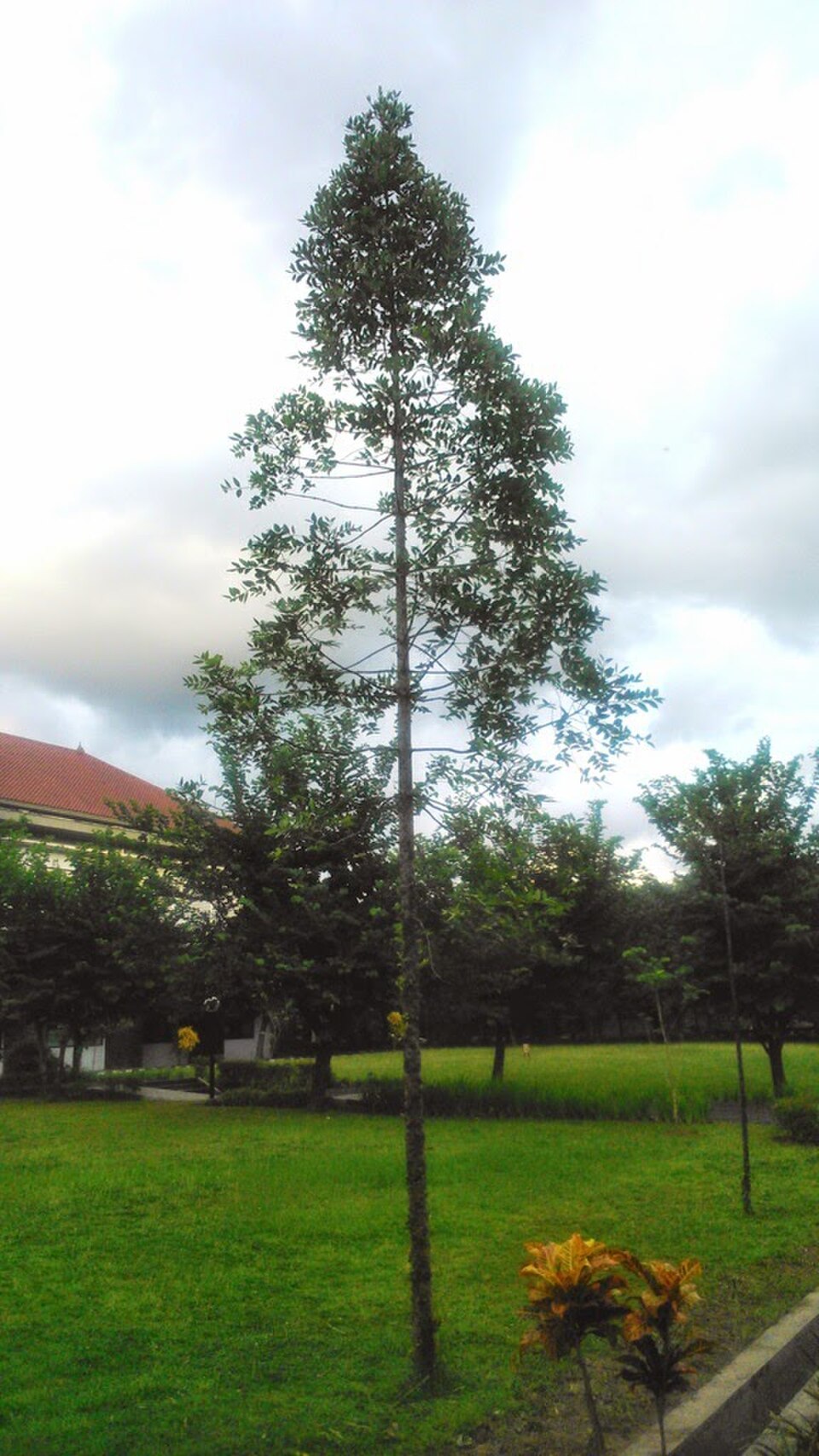
Agathis Salisb.
Commonly known as
Agathis
Agathis Salisb. is a genus of large, ancient evergreen coniferous trees in the Araucariaceae family, native to Australasia and Southeast Asia, recognized for their towering stature, columnar trunks, and valuable resinous timber.
Agathis Salisb.
Commonly known as
Agathis
Agathis Salisb. is a genus of large, ancient evergreen coniferous trees in the Araucariaceae family, native to Australasia and Southeast Asia, recognized for their towering stature, columnar trunks, and valuable resinous timber.
Agathis Salisb.
Commonly known as
Agathis
Agathis Salisb. is a genus of large, ancient evergreen coniferous trees in the Araucariaceae family, native to Australasia and Southeast Asia, recognized for their towering stature, columnar trunks, and valuable resinous timber.
Agathis Salisb.
Commonly known as
Agathis
Agathis Salisb. is a genus of large, ancient evergreen coniferous trees in the Araucariaceae family, native to Australasia and Southeast Asia, recognized for their towering stature, columnar trunks, and valuable resinous timber.
Agathis Salisb.
Commonly known as
Agathis
Agathis Salisb. is a genus of large, ancient evergreen coniferous trees in the Araucariaceae family, native to Australasia and Southeast Asia, recognized for their towering stature, columnar trunks, and valuable resinous timber.
Agathis Salisb.
Commonly known as
Agathis
Agathis Salisb. is a genus of large, ancient evergreen coniferous trees in the Araucariaceae family, native to Australasia and Southeast Asia, recognized for their towering stature, columnar trunks, and valuable resinous timber.
Identification & Classification
Color & Surface
Vibrant "highlighter yellow" scales. They turn greenish when wet because the yellow skin becomes see-through, revealing the green algae inside.
Shape & Form
A scaly "crust" made of tiny, flat tiles. It grows in irregular patches that look like cracked paint or a tiled floor on the ground.
Fruiting
Small, sunken black or reddish dots in the center of the scales. These act like "launch pads" to release the lichen's spores.
Growth Habitat & Substrate
Strictly soil-dwelling in dry areas. It grows on dirt or among mosses. Pro tip: if it's on a bare rock, it's a different species.
Taxonomy Classification
Kingdom
Plantae
Division
Coniferophyta
Class
Pinopsida
Order
Pinales
Family
Araucariaceae Henkel & W. Hochst.
Genus
Agathis Salisb.
Identification & Classification
Color & Surface
Vibrant "highlighter yellow" scales. They turn greenish when wet because the yellow skin becomes see-through, revealing the green algae inside.
Shape & Form
A scaly "crust" made of tiny, flat tiles. It grows in irregular patches that look like cracked paint or a tiled floor on the ground.
Fruiting
Small, sunken black or reddish dots in the center of the scales. These act like "launch pads" to release the lichen's spores.
Growth Habitat & Substrate
Strictly soil-dwelling in dry areas. It grows on dirt or among mosses. Pro tip: if it's on a bare rock, it's a different species.
Taxonomy Classification
Kingdom
Plantae
Division
Coniferophyta
Class
Pinopsida
Order
Pinales
Family
Araucariaceae Henkel & W. Hochst.
Genus
Agathis Salisb.
Identification & Classification
Color & Surface
Vibrant "highlighter yellow" scales. They turn greenish when wet because the yellow skin becomes see-through, revealing the green algae inside.
Shape & Form
A scaly "crust" made of tiny, flat tiles. It grows in irregular patches that look like cracked paint or a tiled floor on the ground.
Fruiting
Small, sunken black or reddish dots in the center of the scales. These act like "launch pads" to release the lichen's spores.
Growth Habitat & Substrate
Strictly soil-dwelling in dry areas. It grows on dirt or among mosses. Pro tip: if it's on a bare rock, it's a different species.
Taxonomy Classification
Kingdom
Plantae
Division
Coniferophyta
Class
Pinopsida
Order
Pinales
Family
Araucariaceae Henkel & W. Hochst.
Genus
Agathis Salisb.
Identification & Classification
Color & Surface
Vibrant "highlighter yellow" scales. They turn greenish when wet because the yellow skin becomes see-through, revealing the green algae inside.
Shape & Form
A scaly "crust" made of tiny, flat tiles. It grows in irregular patches that look like cracked paint or a tiled floor on the ground.
Fruiting
Small, sunken black or reddish dots in the center of the scales. These act like "launch pads" to release the lichen's spores.
Growth Habitat & Substrate
Strictly soil-dwelling in dry areas. It grows on dirt or among mosses. Pro tip: if it's on a bare rock, it's a different species.
Taxonomy Classification
Kingdom
Plantae
Division
Coniferophyta
Class
Pinopsida
Order
Pinales
Family
Araucariaceae Henkel & W. Hochst.
Genus
Agathis Salisb.
Identification & Classification
Color & Surface
Vibrant "highlighter yellow" scales. They turn greenish when wet because the yellow skin becomes see-through, revealing the green algae inside.
Shape & Form
A scaly "crust" made of tiny, flat tiles. It grows in irregular patches that look like cracked paint or a tiled floor on the ground.
Fruiting
Small, sunken black or reddish dots in the center of the scales. These act like "launch pads" to release the lichen's spores.
Growth Habitat & Substrate
Strictly soil-dwelling in dry areas. It grows on dirt or among mosses. Pro tip: if it's on a bare rock, it's a different species.
Taxonomy Classification
Kingdom
Plantae
Division
Coniferophyta
Class
Pinopsida
Order
Pinales
Family
Araucariaceae Henkel & W. Hochst.
Genus
Agathis Salisb.
Identification & Classification
Color & Surface
Vibrant "highlighter yellow" scales. They turn greenish when wet because the yellow skin becomes see-through, revealing the green algae inside.
Shape & Form
A scaly "crust" made of tiny, flat tiles. It grows in irregular patches that look like cracked paint or a tiled floor on the ground.
Fruiting
Small, sunken black or reddish dots in the center of the scales. These act like "launch pads" to release the lichen's spores.
Growth Habitat & Substrate
Strictly soil-dwelling in dry areas. It grows on dirt or among mosses. Pro tip: if it's on a bare rock, it's a different species.
Taxonomy Classification
Kingdom
Plantae
Division
Coniferophyta
Class
Pinopsida
Order
Pinales
Family
Araucariaceae Henkel & W. Hochst.
Genus
Agathis Salisb.
Care Requirements
Sunlight
Prefers full sun to partial shade. Young trees tolerate shade but mature specimens need good light exposure for dense, healthy growth.
Temperature
Thrives in warm, humid climates with temperatures between 15–28°C. Sensitive to hard frosts; best suited to subtropical or mild temperate regions.
Nutrient
Benefits from annual feeding with a balanced, slow-release fertilizer in spring. Mulch around the base to conserve moisture and add organic matter.
Soil
Grows best in deep, fertile, well-drained soils with a slightly acidic to neutral pH. Avoid compacted or waterlogged soils.
Maintenance
Low-maintenance once established. Rarely needs pruning; remove dead or damaged branches as needed. Protect young trees from strong winds.
Water
Requires regular watering to maintain evenly moist soil. Tolerates brief dry spells once established but prefers consistent moisture.
Care Requirements
Sunlight
Prefers full sun to partial shade. Young trees tolerate shade but mature specimens need good light exposure for dense, healthy growth.
Temperature
Thrives in warm, humid climates with temperatures between 15–28°C. Sensitive to hard frosts; best suited to subtropical or mild temperate regions.
Nutrient
Benefits from annual feeding with a balanced, slow-release fertilizer in spring. Mulch around the base to conserve moisture and add organic matter.
Soil
Grows best in deep, fertile, well-drained soils with a slightly acidic to neutral pH. Avoid compacted or waterlogged soils.
Maintenance
Low-maintenance once established. Rarely needs pruning; remove dead or damaged branches as needed. Protect young trees from strong winds.
Water
Requires regular watering to maintain evenly moist soil. Tolerates brief dry spells once established but prefers consistent moisture.
Care Requirements
Sunlight
Prefers full sun to partial shade. Young trees tolerate shade but mature specimens need good light exposure for dense, healthy growth.
Temperature
Thrives in warm, humid climates with temperatures between 15–28°C. Sensitive to hard frosts; best suited to subtropical or mild temperate regions.
Nutrient
Benefits from annual feeding with a balanced, slow-release fertilizer in spring. Mulch around the base to conserve moisture and add organic matter.
Soil
Grows best in deep, fertile, well-drained soils with a slightly acidic to neutral pH. Avoid compacted or waterlogged soils.
Maintenance
Low-maintenance once established. Rarely needs pruning; remove dead or damaged branches as needed. Protect young trees from strong winds.
Water
Requires regular watering to maintain evenly moist soil. Tolerates brief dry spells once established but prefers consistent moisture.
Care Requirements
Sunlight
Prefers full sun to partial shade. Young trees tolerate shade but mature specimens need good light exposure for dense, healthy growth.
Temperature
Thrives in warm, humid climates with temperatures between 15–28°C. Sensitive to hard frosts; best suited to subtropical or mild temperate regions.
Nutrient
Benefits from annual feeding with a balanced, slow-release fertilizer in spring. Mulch around the base to conserve moisture and add organic matter.
Soil
Grows best in deep, fertile, well-drained soils with a slightly acidic to neutral pH. Avoid compacted or waterlogged soils.
Maintenance
Low-maintenance once established. Rarely needs pruning; remove dead or damaged branches as needed. Protect young trees from strong winds.
Water
Requires regular watering to maintain evenly moist soil. Tolerates brief dry spells once established but prefers consistent moisture.
Care Requirements
Sunlight
Prefers full sun to partial shade. Young trees tolerate shade but mature specimens need good light exposure for dense, healthy growth.
Temperature
Thrives in warm, humid climates with temperatures between 15–28°C. Sensitive to hard frosts; best suited to subtropical or mild temperate regions.
Nutrient
Benefits from annual feeding with a balanced, slow-release fertilizer in spring. Mulch around the base to conserve moisture and add organic matter.
Soil
Grows best in deep, fertile, well-drained soils with a slightly acidic to neutral pH. Avoid compacted or waterlogged soils.
Maintenance
Low-maintenance once established. Rarely needs pruning; remove dead or damaged branches as needed. Protect young trees from strong winds.
Water
Requires regular watering to maintain evenly moist soil. Tolerates brief dry spells once established but prefers consistent moisture.
Care Requirements
Sunlight
Prefers full sun to partial shade. Young trees tolerate shade but mature specimens need good light exposure for dense, healthy growth.
Temperature
Thrives in warm, humid climates with temperatures between 15–28°C. Sensitive to hard frosts; best suited to subtropical or mild temperate regions.
Nutrient
Benefits from annual feeding with a balanced, slow-release fertilizer in spring. Mulch around the base to conserve moisture and add organic matter.
Soil
Grows best in deep, fertile, well-drained soils with a slightly acidic to neutral pH. Avoid compacted or waterlogged soils.
Maintenance
Low-maintenance once established. Rarely needs pruning; remove dead or damaged branches as needed. Protect young trees from strong winds.
Water
Requires regular watering to maintain evenly moist soil. Tolerates brief dry spells once established but prefers consistent moisture.
Seasonal Behavior
Spring
New growth emerges in spring with fresh, pale green foliage at branch tips. This is the main period of vertical and lateral extension.

Autumn
Growth slows in autumn. Seed cones mature, eventually disintegrating on the tree to release large, winged seeds.

Winter
Evergreen, retaining foliage year-round. Growth is minimal in winter. Protect young trees from frost in cooler climates.

Summer
Active growth continues through summer. Male and female cones may develop on mature trees, preparing for pollination.

Seasonal Behavior
Spring
New growth emerges in spring with fresh, pale green foliage at branch tips. This is the main period of vertical and lateral extension.
Autumn
Growth slows in autumn. Seed cones mature, eventually disintegrating on the tree to release large, winged seeds.
Winter
Evergreen, retaining foliage year-round. Growth is minimal in winter. Protect young trees from frost in cooler climates.
Summer
Active growth continues through summer. Male and female cones may develop on mature trees, preparing for pollination.
Seasonal Behavior
Spring
New growth emerges in spring with fresh, pale green foliage at branch tips. This is the main period of vertical and lateral extension.
Autumn
Growth slows in autumn. Seed cones mature, eventually disintegrating on the tree to release large, winged seeds.
Winter
Evergreen, retaining foliage year-round. Growth is minimal in winter. Protect young trees from frost in cooler climates.
Summer
Active growth continues through summer. Male and female cones may develop on mature trees, preparing for pollination.
Seasonal Behavior
Spring
New growth emerges in spring with fresh, pale green foliage at branch tips. This is the main period of vertical and lateral extension.
Autumn
Growth slows in autumn. Seed cones mature, eventually disintegrating on the tree to release large, winged seeds.
Winter
Evergreen, retaining foliage year-round. Growth is minimal in winter. Protect young trees from frost in cooler climates.
Summer
Active growth continues through summer. Male and female cones may develop on mature trees, preparing for pollination.
Seasonal Behavior
Spring
New growth emerges in spring with fresh, pale green foliage at branch tips. This is the main period of vertical and lateral extension.
Autumn
Growth slows in autumn. Seed cones mature, eventually disintegrating on the tree to release large, winged seeds.
Winter
Evergreen, retaining foliage year-round. Growth is minimal in winter. Protect young trees from frost in cooler climates.
Summer
Active growth continues through summer. Male and female cones may develop on mature trees, preparing for pollination.