Allium Abramsii (Ownbey & Aase) McNeal
Commonly known as
Abrams' Allium
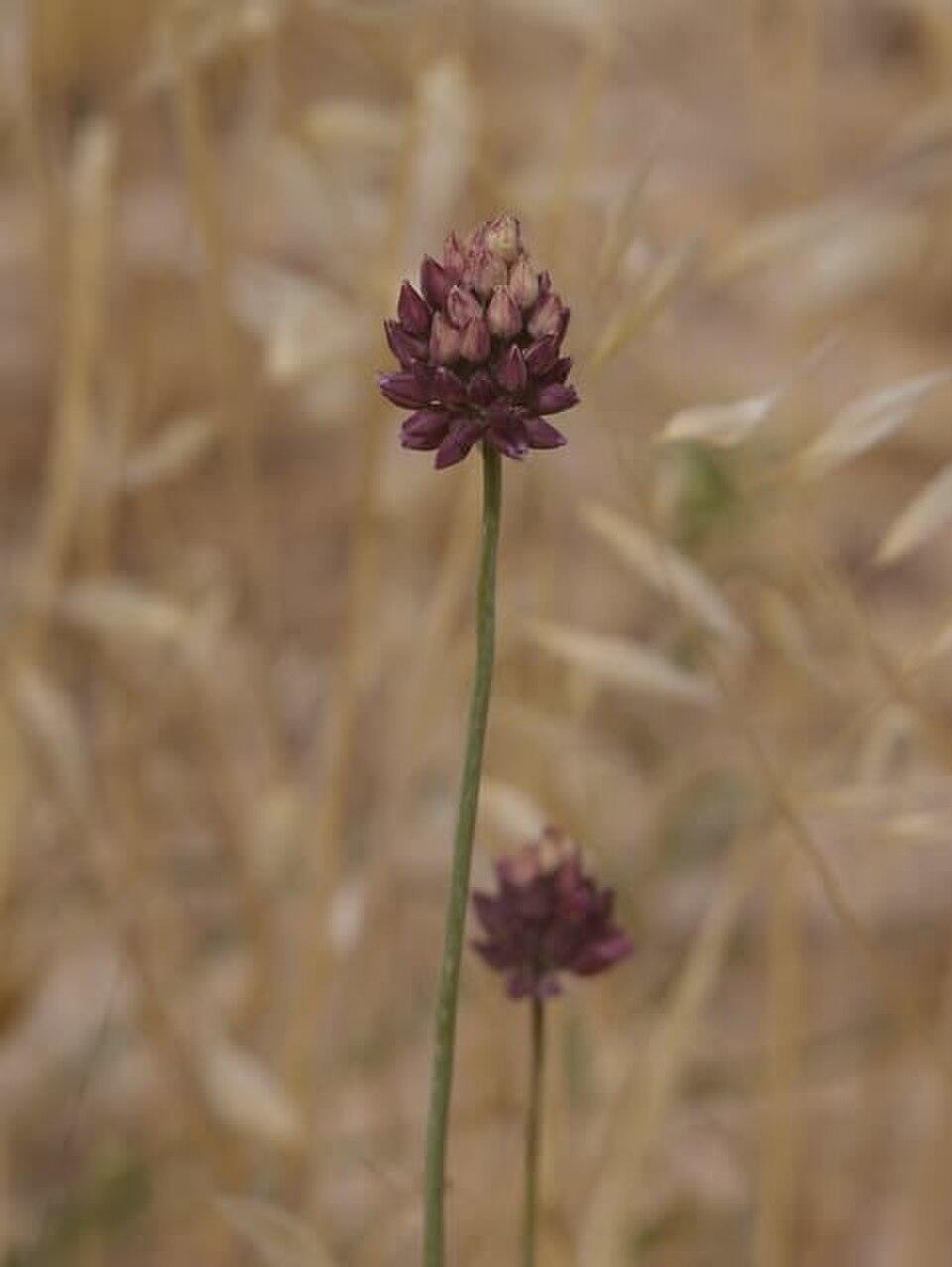
Allium abramsii is a rare California bulb with pink flowers, found in rocky Sierra Nevada soils.
Allium Abramsii (Ownbey & Aase) McNeal
Commonly known as
Abrams' Allium
Allium abramsii is a rare California bulb with pink flowers, found in rocky Sierra Nevada soils.
Allium Abramsii (Ownbey & Aase) McNeal
Commonly known as
Abrams' Allium
Allium abramsii is a rare California bulb with pink flowers, found in rocky Sierra Nevada soils.
Allium Abramsii (Ownbey & Aase) McNeal
Commonly known as
Abrams' Allium
Allium abramsii is a rare California bulb with pink flowers, found in rocky Sierra Nevada soils.
Allium Abramsii (Ownbey & Aase) McNeal
Commonly known as
Abrams' Allium
Allium abramsii is a rare California bulb with pink flowers, found in rocky Sierra Nevada soils.
Allium Abramsii (Ownbey & Aase) McNeal
Commonly known as
Abrams' Allium
Allium abramsii is a rare California bulb with pink flowers, found in rocky Sierra Nevada soils.
Allium Abramsii (Ownbey & Aase) McNeal
Commonly known as
Abrams' Allium
Allium abramsii is a rare California bulb with pink flowers, found in rocky Sierra Nevada soils.
Identification & Classification
Color & Surface
Vibrant "highlighter yellow" scales. They turn greenish when wet because the yellow skin becomes see-through, revealing the green algae inside.
Shape & Form
A scaly "crust" made of tiny, flat tiles. It grows in irregular patches that look like cracked paint or a tiled floor on the ground.
Fruiting
Small, sunken black or reddish dots in the center of the scales. These act like "launch pads" to release the lichen's spores.
Growth Habitat & Substrate
Strictly soil-dwelling in dry areas. It grows on dirt or among mosses. Pro tip: if it's on a bare rock, it's a different species.
Taxonomy Classification
Kingdom
Plantae
Division
Magnoliophyta
Class
Liliopsida
Order
Liliales
Family
Liliaceae Juss.
Genus
Allium L.
Species
Allium abramsii (Ownbey & Aase) McNeal
Identification & Classification
Color & Surface
Vibrant "highlighter yellow" scales. They turn greenish when wet because the yellow skin becomes see-through, revealing the green algae inside.
Shape & Form
A scaly "crust" made of tiny, flat tiles. It grows in irregular patches that look like cracked paint or a tiled floor on the ground.
Fruiting
Small, sunken black or reddish dots in the center of the scales. These act like "launch pads" to release the lichen's spores.
Growth Habitat & Substrate
Strictly soil-dwelling in dry areas. It grows on dirt or among mosses. Pro tip: if it's on a bare rock, it's a different species.
Taxonomy Classification
Kingdom
Plantae
Division
Magnoliophyta
Class
Liliopsida
Order
Liliales
Family
Liliaceae Juss.
Genus
Allium L.
Species
Allium abramsii (Ownbey & Aase) McNeal
Identification & Classification
Color & Surface
Vibrant "highlighter yellow" scales. They turn greenish when wet because the yellow skin becomes see-through, revealing the green algae inside.
Shape & Form
A scaly "crust" made of tiny, flat tiles. It grows in irregular patches that look like cracked paint or a tiled floor on the ground.
Fruiting
Small, sunken black or reddish dots in the center of the scales. These act like "launch pads" to release the lichen's spores.
Growth Habitat & Substrate
Strictly soil-dwelling in dry areas. It grows on dirt or among mosses. Pro tip: if it's on a bare rock, it's a different species.
Taxonomy Classification
Kingdom
Plantae
Division
Magnoliophyta
Class
Liliopsida
Order
Liliales
Family
Liliaceae Juss.
Genus
Allium L.
Species
Allium abramsii (Ownbey & Aase) McNeal
Identification & Classification
Color & Surface
Vibrant "highlighter yellow" scales. They turn greenish when wet because the yellow skin becomes see-through, revealing the green algae inside.
Shape & Form
A scaly "crust" made of tiny, flat tiles. It grows in irregular patches that look like cracked paint or a tiled floor on the ground.
Fruiting
Small, sunken black or reddish dots in the center of the scales. These act like "launch pads" to release the lichen's spores.
Growth Habitat & Substrate
Strictly soil-dwelling in dry areas. It grows on dirt or among mosses. Pro tip: if it's on a bare rock, it's a different species.
Taxonomy Classification
Kingdom
Plantae
Division
Magnoliophyta
Class
Liliopsida
Order
Liliales
Family
Liliaceae Juss.
Genus
Allium L.
Species
Allium abramsii (Ownbey & Aase) McNeal
Identification & Classification
Color & Surface
Vibrant "highlighter yellow" scales. They turn greenish when wet because the yellow skin becomes see-through, revealing the green algae inside.
Shape & Form
A scaly "crust" made of tiny, flat tiles. It grows in irregular patches that look like cracked paint or a tiled floor on the ground.
Fruiting
Small, sunken black or reddish dots in the center of the scales. These act like "launch pads" to release the lichen's spores.
Growth Habitat & Substrate
Strictly soil-dwelling in dry areas. It grows on dirt or among mosses. Pro tip: if it's on a bare rock, it's a different species.
Taxonomy Classification
Kingdom
Plantae
Division
Magnoliophyta
Class
Liliopsida
Order
Liliales
Family
Liliaceae Juss.
Genus
Allium L.
Species
Allium abramsii (Ownbey & Aase) McNeal
Identification & Classification
Color & Surface
Vibrant "highlighter yellow" scales. They turn greenish when wet because the yellow skin becomes see-through, revealing the green algae inside.
Shape & Form
A scaly "crust" made of tiny, flat tiles. It grows in irregular patches that look like cracked paint or a tiled floor on the ground.
Fruiting
Small, sunken black or reddish dots in the center of the scales. These act like "launch pads" to release the lichen's spores.
Growth Habitat & Substrate
Strictly soil-dwelling in dry areas. It grows on dirt or among mosses. Pro tip: if it's on a bare rock, it's a different species.
Taxonomy Classification
Kingdom
Plantae
Division
Magnoliophyta
Class
Liliopsida
Order
Liliales
Family
Liliaceae Juss.
Genus
Allium L.
Species
Allium abramsii (Ownbey & Aase) McNeal
Care Requirements
Sunlight
Prefers full sun to partial shade, requiring at least 5–6 hours of direct sunlight for healthy bulb development and flowering.
Temperature
Adapted to temperate climates with cold winters and warm, dry summers. Tolerates temperatures from -10°C to 30°C. Requires winter chill for proper growth cycling.
Nutrient
Requires minimal fertilization. A light application of balanced fertilizer in early spring is sufficient. Excess nutrients can promote foliage at the expense of flowers.
Soil
Thrives in well-drained, rocky or sandy soils. Tolerates poor, gravelly substrates typical of its native mountain habitat. Avoid heavy, wet soils that can rot bulbs.
Maintenance
Low maintenance. Allow foliage to die back naturally after flowering to nourish the bulb. Remove spent flower heads if seed collection is not desired.
Water
Requires moderate watering during the growing season. Allow soil to dry between waterings. Reduce irrigation after flowering as the bulb enters dormancy.
Care Requirements
Sunlight
Prefers full sun to partial shade, requiring at least 5–6 hours of direct sunlight for healthy bulb development and flowering.
Temperature
Adapted to temperate climates with cold winters and warm, dry summers. Tolerates temperatures from -10°C to 30°C. Requires winter chill for proper growth cycling.
Nutrient
Requires minimal fertilization. A light application of balanced fertilizer in early spring is sufficient. Excess nutrients can promote foliage at the expense of flowers.
Soil
Thrives in well-drained, rocky or sandy soils. Tolerates poor, gravelly substrates typical of its native mountain habitat. Avoid heavy, wet soils that can rot bulbs.
Maintenance
Low maintenance. Allow foliage to die back naturally after flowering to nourish the bulb. Remove spent flower heads if seed collection is not desired.
Water
Requires moderate watering during the growing season. Allow soil to dry between waterings. Reduce irrigation after flowering as the bulb enters dormancy.
Care Requirements
Sunlight
Prefers full sun to partial shade, requiring at least 5–6 hours of direct sunlight for healthy bulb development and flowering.
Temperature
Adapted to temperate climates with cold winters and warm, dry summers. Tolerates temperatures from -10°C to 30°C. Requires winter chill for proper growth cycling.
Nutrient
Requires minimal fertilization. A light application of balanced fertilizer in early spring is sufficient. Excess nutrients can promote foliage at the expense of flowers.
Soil
Thrives in well-drained, rocky or sandy soils. Tolerates poor, gravelly substrates typical of its native mountain habitat. Avoid heavy, wet soils that can rot bulbs.
Maintenance
Low maintenance. Allow foliage to die back naturally after flowering to nourish the bulb. Remove spent flower heads if seed collection is not desired.
Water
Requires moderate watering during the growing season. Allow soil to dry between waterings. Reduce irrigation after flowering as the bulb enters dormancy.
Care Requirements
Sunlight
Prefers full sun to partial shade, requiring at least 5–6 hours of direct sunlight for healthy bulb development and flowering.
Temperature
Adapted to temperate climates with cold winters and warm, dry summers. Tolerates temperatures from -10°C to 30°C. Requires winter chill for proper growth cycling.
Nutrient
Requires minimal fertilization. A light application of balanced fertilizer in early spring is sufficient. Excess nutrients can promote foliage at the expense of flowers.
Soil
Thrives in well-drained, rocky or sandy soils. Tolerates poor, gravelly substrates typical of its native mountain habitat. Avoid heavy, wet soils that can rot bulbs.
Maintenance
Low maintenance. Allow foliage to die back naturally after flowering to nourish the bulb. Remove spent flower heads if seed collection is not desired.
Water
Requires moderate watering during the growing season. Allow soil to dry between waterings. Reduce irrigation after flowering as the bulb enters dormancy.
Care Requirements
Sunlight
Prefers full sun to partial shade, requiring at least 5–6 hours of direct sunlight for healthy bulb development and flowering.
Temperature
Adapted to temperate climates with cold winters and warm, dry summers. Tolerates temperatures from -10°C to 30°C. Requires winter chill for proper growth cycling.
Nutrient
Requires minimal fertilization. A light application of balanced fertilizer in early spring is sufficient. Excess nutrients can promote foliage at the expense of flowers.
Soil
Thrives in well-drained, rocky or sandy soils. Tolerates poor, gravelly substrates typical of its native mountain habitat. Avoid heavy, wet soils that can rot bulbs.
Maintenance
Low maintenance. Allow foliage to die back naturally after flowering to nourish the bulb. Remove spent flower heads if seed collection is not desired.
Water
Requires moderate watering during the growing season. Allow soil to dry between waterings. Reduce irrigation after flowering as the bulb enters dormancy.
Care Requirements
Sunlight
Prefers full sun to partial shade, requiring at least 5–6 hours of direct sunlight for healthy bulb development and flowering.
Temperature
Adapted to temperate climates with cold winters and warm, dry summers. Tolerates temperatures from -10°C to 30°C. Requires winter chill for proper growth cycling.
Nutrient
Requires minimal fertilization. A light application of balanced fertilizer in early spring is sufficient. Excess nutrients can promote foliage at the expense of flowers.
Soil
Thrives in well-drained, rocky or sandy soils. Tolerates poor, gravelly substrates typical of its native mountain habitat. Avoid heavy, wet soils that can rot bulbs.
Maintenance
Low maintenance. Allow foliage to die back naturally after flowering to nourish the bulb. Remove spent flower heads if seed collection is not desired.
Water
Requires moderate watering during the growing season. Allow soil to dry between waterings. Reduce irrigation after flowering as the bulb enters dormancy.
Seasonal Behavior
Spring
Leaves emerge in early spring from the underground bulb. Growth is rapid as the plant prepares for its brief flowering period.

Autumn
Remains dormant through autumn. Bulbs rest underground, storing energy for the next growing season. No above-ground presence during this time.

Winter
Dormant during winter. Bulbs require cold stratification to break dormancy. Snow cover or mulch provides insulation in harsh climates.

Summer
Flowers appear in late spring to early summer, with spherical umbels of pink to white blooms. After flowering, foliage yellows and the bulb enters summer dormancy.

Seasonal Behavior
Spring
Leaves emerge in early spring from the underground bulb. Growth is rapid as the plant prepares for its brief flowering period.
Autumn
Remains dormant through autumn. Bulbs rest underground, storing energy for the next growing season. No above-ground presence during this time.
Winter
Dormant during winter. Bulbs require cold stratification to break dormancy. Snow cover or mulch provides insulation in harsh climates.
Summer
Flowers appear in late spring to early summer, with spherical umbels of pink to white blooms. After flowering, foliage yellows and the bulb enters summer dormancy.
Seasonal Behavior
Spring
Leaves emerge in early spring from the underground bulb. Growth is rapid as the plant prepares for its brief flowering period.
Autumn
Remains dormant through autumn. Bulbs rest underground, storing energy for the next growing season. No above-ground presence during this time.
Winter
Dormant during winter. Bulbs require cold stratification to break dormancy. Snow cover or mulch provides insulation in harsh climates.
Summer
Flowers appear in late spring to early summer, with spherical umbels of pink to white blooms. After flowering, foliage yellows and the bulb enters summer dormancy.
Seasonal Behavior
Spring
Leaves emerge in early spring from the underground bulb. Growth is rapid as the plant prepares for its brief flowering period.
Autumn
Remains dormant through autumn. Bulbs rest underground, storing energy for the next growing season. No above-ground presence during this time.
Winter
Dormant during winter. Bulbs require cold stratification to break dormancy. Snow cover or mulch provides insulation in harsh climates.
Summer
Flowers appear in late spring to early summer, with spherical umbels of pink to white blooms. After flowering, foliage yellows and the bulb enters summer dormancy.
Seasonal Behavior
Spring
Leaves emerge in early spring from the underground bulb. Growth is rapid as the plant prepares for its brief flowering period.
Autumn
Remains dormant through autumn. Bulbs rest underground, storing energy for the next growing season. No above-ground presence during this time.
Winter
Dormant during winter. Bulbs require cold stratification to break dormancy. Snow cover or mulch provides insulation in harsh climates.
Summer
Flowers appear in late spring to early summer, with spherical umbels of pink to white blooms. After flowering, foliage yellows and the bulb enters summer dormancy.