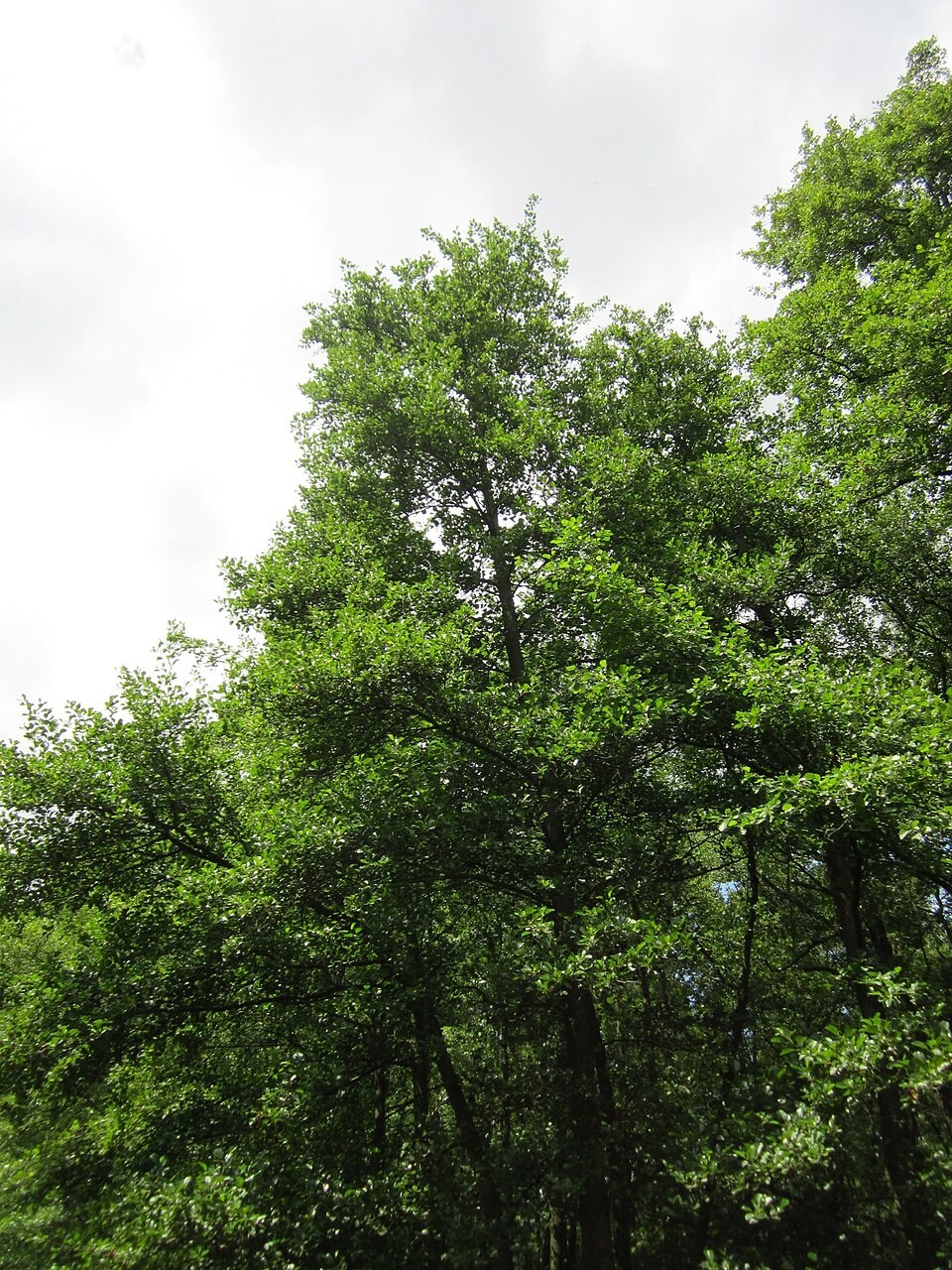
Alnus Incana (L.) Moench
Commonly known as
Aray Alder
Alnus incana, or Grey Alder, is a shrubby tree with grey bark, oval leaves, and nitrogen-fixing roots, common in cool regions and wetlands.
Alnus Incana (L.) Moench
Commonly known as
Aray Alder
Alnus incana, or Grey Alder, is a shrubby tree with grey bark, oval leaves, and nitrogen-fixing roots, common in cool regions and wetlands.
Alnus Incana (L.) Moench
Commonly known as
Aray Alder
Alnus incana, or Grey Alder, is a shrubby tree with grey bark, oval leaves, and nitrogen-fixing roots, common in cool regions and wetlands.
Alnus Incana (L.) Moench
Commonly known as
Aray Alder
Alnus incana, or Grey Alder, is a shrubby tree with grey bark, oval leaves, and nitrogen-fixing roots, common in cool regions and wetlands.
Alnus Incana (L.) Moench
Commonly known as
Aray Alder
Alnus incana, or Grey Alder, is a shrubby tree with grey bark, oval leaves, and nitrogen-fixing roots, common in cool regions and wetlands.
Alnus Incana (L.) Moench
Commonly known as
Aray Alder
Alnus incana, or Grey Alder, is a shrubby tree with grey bark, oval leaves, and nitrogen-fixing roots, common in cool regions and wetlands.
Alnus Incana (L.) Moench
Commonly known as
Aray Alder
Alnus incana, or Grey Alder, is a shrubby tree with grey bark, oval leaves, and nitrogen-fixing roots, common in cool regions and wetlands.
Identification & Classification
Color & Surface
Vibrant "highlighter yellow" scales. They turn greenish when wet because the yellow skin becomes see-through, revealing the green algae inside.
Shape & Form
A scaly "crust" made of tiny, flat tiles. It grows in irregular patches that look like cracked paint or a tiled floor on the ground.
Fruiting
Small, sunken black or reddish dots in the center of the scales. These act like "launch pads" to release the lichen's spores.
Growth Habitat & Substrate
Strictly soil-dwelling in dry areas. It grows on dirt or among mosses. Pro tip: if it's on a bare rock, it's a different species.
Taxonomy Classification
Kingdom
Plantae
Division
Magnoliophyta
Class
Magnoliopsida
Order
Fagales
Family
Betulaceae Gray
Genus
Alnus Mill.
Species
Alnus Incana (L.) Moench
Identification & Classification
Color & Surface
Vibrant "highlighter yellow" scales. They turn greenish when wet because the yellow skin becomes see-through, revealing the green algae inside.
Shape & Form
A scaly "crust" made of tiny, flat tiles. It grows in irregular patches that look like cracked paint or a tiled floor on the ground.
Fruiting
Small, sunken black or reddish dots in the center of the scales. These act like "launch pads" to release the lichen's spores.
Growth Habitat & Substrate
Strictly soil-dwelling in dry areas. It grows on dirt or among mosses. Pro tip: if it's on a bare rock, it's a different species.
Taxonomy Classification
Kingdom
Plantae
Division
Magnoliophyta
Class
Magnoliopsida
Order
Fagales
Family
Betulaceae Gray
Genus
Alnus Mill.
Species
Alnus Incana (L.) Moench
Identification & Classification
Color & Surface
Vibrant "highlighter yellow" scales. They turn greenish when wet because the yellow skin becomes see-through, revealing the green algae inside.
Shape & Form
A scaly "crust" made of tiny, flat tiles. It grows in irregular patches that look like cracked paint or a tiled floor on the ground.
Fruiting
Small, sunken black or reddish dots in the center of the scales. These act like "launch pads" to release the lichen's spores.
Growth Habitat & Substrate
Strictly soil-dwelling in dry areas. It grows on dirt or among mosses. Pro tip: if it's on a bare rock, it's a different species.
Taxonomy Classification
Kingdom
Plantae
Division
Magnoliophyta
Class
Magnoliopsida
Order
Fagales
Family
Betulaceae Gray
Genus
Alnus Mill.
Species
Alnus Incana (L.) Moench
Identification & Classification
Color & Surface
Vibrant "highlighter yellow" scales. They turn greenish when wet because the yellow skin becomes see-through, revealing the green algae inside.
Shape & Form
A scaly "crust" made of tiny, flat tiles. It grows in irregular patches that look like cracked paint or a tiled floor on the ground.
Fruiting
Small, sunken black or reddish dots in the center of the scales. These act like "launch pads" to release the lichen's spores.
Growth Habitat & Substrate
Strictly soil-dwelling in dry areas. It grows on dirt or among mosses. Pro tip: if it's on a bare rock, it's a different species.
Taxonomy Classification
Kingdom
Plantae
Division
Magnoliophyta
Class
Magnoliopsida
Order
Fagales
Family
Betulaceae Gray
Genus
Alnus Mill.
Species
Alnus Incana (L.) Moench
Identification & Classification
Color & Surface
Vibrant "highlighter yellow" scales. They turn greenish when wet because the yellow skin becomes see-through, revealing the green algae inside.
Shape & Form
A scaly "crust" made of tiny, flat tiles. It grows in irregular patches that look like cracked paint or a tiled floor on the ground.
Fruiting
Small, sunken black or reddish dots in the center of the scales. These act like "launch pads" to release the lichen's spores.
Growth Habitat & Substrate
Strictly soil-dwelling in dry areas. It grows on dirt or among mosses. Pro tip: if it's on a bare rock, it's a different species.
Taxonomy Classification
Kingdom
Plantae
Division
Magnoliophyta
Class
Magnoliopsida
Order
Fagales
Family
Betulaceae Gray
Genus
Alnus Mill.
Species
Alnus Incana (L.) Moench
Identification & Classification
Color & Surface
Vibrant "highlighter yellow" scales. They turn greenish when wet because the yellow skin becomes see-through, revealing the green algae inside.
Shape & Form
A scaly "crust" made of tiny, flat tiles. It grows in irregular patches that look like cracked paint or a tiled floor on the ground.
Fruiting
Small, sunken black or reddish dots in the center of the scales. These act like "launch pads" to release the lichen's spores.
Growth Habitat & Substrate
Strictly soil-dwelling in dry areas. It grows on dirt or among mosses. Pro tip: if it's on a bare rock, it's a different species.
Taxonomy Classification
Kingdom
Plantae
Division
Magnoliophyta
Class
Magnoliopsida
Order
Fagales
Family
Betulaceae Gray
Genus
Alnus Mill.
Species
Alnus Incana (L.) Moench
Care Requirements
Sunlight
Thrives in full sun to partial shade. Best growth and form occur with at least 6 hours of direct sunlight, though tolerates shadier riparian conditions.
Temperature
Extremely cold-hardy, tolerating temperatures as low as -40°C. Thrives in cool, temperate to boreal climates. Tolerates summer heat if moisture is adequate.
Nutrient
Requires no supplemental fertilization due to nitrogen-fixing ability. Naturally enriches surrounding soil, benefiting nearby plants.
Soil
Adapts to a wide range of soils, including poor, rocky, and waterlogged substrates. Fixes atmospheric nitrogen through root nodules, improving soil fertility.
Maintenance
Low maintenance. Prune to shape or remove damaged branches in late winter. Spreads by suckers; remove unwanted shoots to control spread.
Water
Prefers consistently moist to wet soils. Naturally found along streams and wetlands. Tolerates periodic flooding but also adapts to drier sites once established.
Care Requirements
Sunlight
Thrives in full sun to partial shade. Best growth and form occur with at least 6 hours of direct sunlight, though tolerates shadier riparian conditions.
Temperature
Extremely cold-hardy, tolerating temperatures as low as -40°C. Thrives in cool, temperate to boreal climates. Tolerates summer heat if moisture is adequate.
Nutrient
Requires no supplemental fertilization due to nitrogen-fixing ability. Naturally enriches surrounding soil, benefiting nearby plants.
Soil
Adapts to a wide range of soils, including poor, rocky, and waterlogged substrates. Fixes atmospheric nitrogen through root nodules, improving soil fertility.
Maintenance
Low maintenance. Prune to shape or remove damaged branches in late winter. Spreads by suckers; remove unwanted shoots to control spread.
Water
Prefers consistently moist to wet soils. Naturally found along streams and wetlands. Tolerates periodic flooding but also adapts to drier sites once established.
Care Requirements
Sunlight
Thrives in full sun to partial shade. Best growth and form occur with at least 6 hours of direct sunlight, though tolerates shadier riparian conditions.
Temperature
Extremely cold-hardy, tolerating temperatures as low as -40°C. Thrives in cool, temperate to boreal climates. Tolerates summer heat if moisture is adequate.
Nutrient
Requires no supplemental fertilization due to nitrogen-fixing ability. Naturally enriches surrounding soil, benefiting nearby plants.
Soil
Adapts to a wide range of soils, including poor, rocky, and waterlogged substrates. Fixes atmospheric nitrogen through root nodules, improving soil fertility.
Maintenance
Low maintenance. Prune to shape or remove damaged branches in late winter. Spreads by suckers; remove unwanted shoots to control spread.
Water
Prefers consistently moist to wet soils. Naturally found along streams and wetlands. Tolerates periodic flooding but also adapts to drier sites once established.
Care Requirements
Sunlight
Thrives in full sun to partial shade. Best growth and form occur with at least 6 hours of direct sunlight, though tolerates shadier riparian conditions.
Temperature
Extremely cold-hardy, tolerating temperatures as low as -40°C. Thrives in cool, temperate to boreal climates. Tolerates summer heat if moisture is adequate.
Nutrient
Requires no supplemental fertilization due to nitrogen-fixing ability. Naturally enriches surrounding soil, benefiting nearby plants.
Soil
Adapts to a wide range of soils, including poor, rocky, and waterlogged substrates. Fixes atmospheric nitrogen through root nodules, improving soil fertility.
Maintenance
Low maintenance. Prune to shape or remove damaged branches in late winter. Spreads by suckers; remove unwanted shoots to control spread.
Water
Prefers consistently moist to wet soils. Naturally found along streams and wetlands. Tolerates periodic flooding but also adapts to drier sites once established.
Care Requirements
Sunlight
Thrives in full sun to partial shade. Best growth and form occur with at least 6 hours of direct sunlight, though tolerates shadier riparian conditions.
Temperature
Extremely cold-hardy, tolerating temperatures as low as -40°C. Thrives in cool, temperate to boreal climates. Tolerates summer heat if moisture is adequate.
Nutrient
Requires no supplemental fertilization due to nitrogen-fixing ability. Naturally enriches surrounding soil, benefiting nearby plants.
Soil
Adapts to a wide range of soils, including poor, rocky, and waterlogged substrates. Fixes atmospheric nitrogen through root nodules, improving soil fertility.
Maintenance
Low maintenance. Prune to shape or remove damaged branches in late winter. Spreads by suckers; remove unwanted shoots to control spread.
Water
Prefers consistently moist to wet soils. Naturally found along streams and wetlands. Tolerates periodic flooding but also adapts to drier sites once established.
Care Requirements
Sunlight
Thrives in full sun to partial shade. Best growth and form occur with at least 6 hours of direct sunlight, though tolerates shadier riparian conditions.
Temperature
Extremely cold-hardy, tolerating temperatures as low as -40°C. Thrives in cool, temperate to boreal climates. Tolerates summer heat if moisture is adequate.
Nutrient
Requires no supplemental fertilization due to nitrogen-fixing ability. Naturally enriches surrounding soil, benefiting nearby plants.
Soil
Adapts to a wide range of soils, including poor, rocky, and waterlogged substrates. Fixes atmospheric nitrogen through root nodules, improving soil fertility.
Maintenance
Low maintenance. Prune to shape or remove damaged branches in late winter. Spreads by suckers; remove unwanted shoots to control spread.
Water
Prefers consistently moist to wet soils. Naturally found along streams and wetlands. Tolerates periodic flooding but also adapts to drier sites once established.
Seasonal Behavior
Spring
Catkins appear in early spring before leaves emerge. Male catkins are elongated and pendulous; female catkins are smaller and upright. New leaves follow flowering.

Autumn
Leaves turn yellow to brown in autumn before dropping. Woody, cone-like fruits mature, persisting on branches through winter.

Winter
Deciduous; leafless in winter. Bark is smooth and grey, providing subtle winter interest. Tolerates harsh winter conditions without damage.

Summer
Full foliage develops in summer, providing dense shade. Leaves are dark green above and grey-green beneath. Growth is vigorous in moist conditions.

Seasonal Behavior
Spring
Catkins appear in early spring before leaves emerge. Male catkins are elongated and pendulous; female catkins are smaller and upright. New leaves follow flowering.
Autumn
Leaves turn yellow to brown in autumn before dropping. Woody, cone-like fruits mature, persisting on branches through winter.
Winter
Deciduous; leafless in winter. Bark is smooth and grey, providing subtle winter interest. Tolerates harsh winter conditions without damage.
Summer
Full foliage develops in summer, providing dense shade. Leaves are dark green above and grey-green beneath. Growth is vigorous in moist conditions.
Seasonal Behavior
Spring
Catkins appear in early spring before leaves emerge. Male catkins are elongated and pendulous; female catkins are smaller and upright. New leaves follow flowering.
Autumn
Leaves turn yellow to brown in autumn before dropping. Woody, cone-like fruits mature, persisting on branches through winter.
Winter
Deciduous; leafless in winter. Bark is smooth and grey, providing subtle winter interest. Tolerates harsh winter conditions without damage.
Summer
Full foliage develops in summer, providing dense shade. Leaves are dark green above and grey-green beneath. Growth is vigorous in moist conditions.
Seasonal Behavior
Spring
Catkins appear in early spring before leaves emerge. Male catkins are elongated and pendulous; female catkins are smaller and upright. New leaves follow flowering.
Autumn
Leaves turn yellow to brown in autumn before dropping. Woody, cone-like fruits mature, persisting on branches through winter.
Winter
Deciduous; leafless in winter. Bark is smooth and grey, providing subtle winter interest. Tolerates harsh winter conditions without damage.
Summer
Full foliage develops in summer, providing dense shade. Leaves are dark green above and grey-green beneath. Growth is vigorous in moist conditions.
Seasonal Behavior
Spring
Catkins appear in early spring before leaves emerge. Male catkins are elongated and pendulous; female catkins are smaller and upright. New leaves follow flowering.
Autumn
Leaves turn yellow to brown in autumn before dropping. Woody, cone-like fruits mature, persisting on branches through winter.
Winter
Deciduous; leafless in winter. Bark is smooth and grey, providing subtle winter interest. Tolerates harsh winter conditions without damage.
Summer
Full foliage develops in summer, providing dense shade. Leaves are dark green above and grey-green beneath. Growth is vigorous in moist conditions.