Anemia Sw.
Commonly known as
Anemia Fern
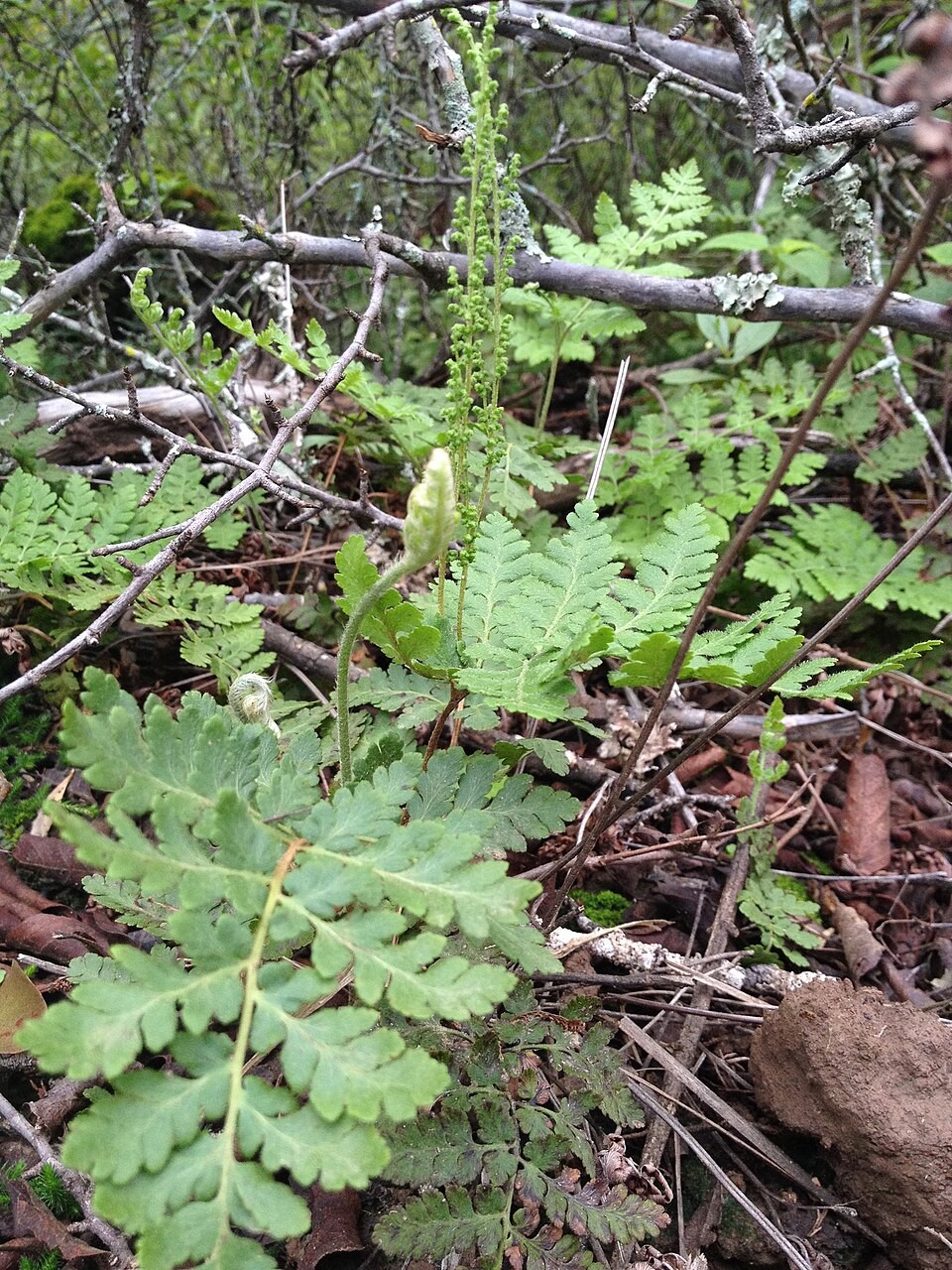
Anemia Sw. is a delicate fern with divided fronds and unique spore-bearing structures, found in tropical and subtropical regions.
Anemia Sw.
Commonly known as
Anemia Fern
Anemia Sw. is a delicate fern with divided fronds and unique spore-bearing structures, found in tropical and subtropical regions.
Anemia Sw.
Commonly known as
Anemia Fern
Anemia Sw. is a delicate fern with divided fronds and unique spore-bearing structures, found in tropical and subtropical regions.
Anemia Sw.
Commonly known as
Anemia Fern
Anemia Sw. is a delicate fern with divided fronds and unique spore-bearing structures, found in tropical and subtropical regions.
Anemia Sw.
Commonly known as
Anemia Fern
Anemia Sw. is a delicate fern with divided fronds and unique spore-bearing structures, found in tropical and subtropical regions.
Anemia Sw.
Commonly known as
Anemia Fern
Anemia Sw. is a delicate fern with divided fronds and unique spore-bearing structures, found in tropical and subtropical regions.
Anemia Sw.
Commonly known as
Anemia Fern
Anemia Sw. is a delicate fern with divided fronds and unique spore-bearing structures, found in tropical and subtropical regions.
Identification & Classification
Color & Surface
Vibrant "highlighter yellow" scales. They turn greenish when wet because the yellow skin becomes see-through, revealing the green algae inside.
Shape & Form
A scaly "crust" made of tiny, flat tiles. It grows in irregular patches that look like cracked paint or a tiled floor on the ground.
Fruiting
Small, sunken black or reddish dots in the center of the scales. These act like "launch pads" to release the lichen's spores.
Growth Habitat & Substrate
Strictly soil-dwelling in dry areas. It grows on dirt or among mosses. Pro tip: if it's on a bare rock, it's a different species.
Taxonomy Classification
Kingdom
Plantae
Division
Pteridophyta
Class
Filicopsida
Order
Polypodiales
Family
Anemiaceae Link
Genus
Anemia Sw.
Identification & Classification
Color & Surface
Vibrant "highlighter yellow" scales. They turn greenish when wet because the yellow skin becomes see-through, revealing the green algae inside.
Shape & Form
A scaly "crust" made of tiny, flat tiles. It grows in irregular patches that look like cracked paint or a tiled floor on the ground.
Fruiting
Small, sunken black or reddish dots in the center of the scales. These act like "launch pads" to release the lichen's spores.
Growth Habitat & Substrate
Strictly soil-dwelling in dry areas. It grows on dirt or among mosses. Pro tip: if it's on a bare rock, it's a different species.
Taxonomy Classification
Kingdom
Plantae
Division
Pteridophyta
Class
Filicopsida
Order
Polypodiales
Family
Anemiaceae Link
Genus
Anemia Sw.
Identification & Classification
Color & Surface
Vibrant "highlighter yellow" scales. They turn greenish when wet because the yellow skin becomes see-through, revealing the green algae inside.
Shape & Form
A scaly "crust" made of tiny, flat tiles. It grows in irregular patches that look like cracked paint or a tiled floor on the ground.
Fruiting
Small, sunken black or reddish dots in the center of the scales. These act like "launch pads" to release the lichen's spores.
Growth Habitat & Substrate
Strictly soil-dwelling in dry areas. It grows on dirt or among mosses. Pro tip: if it's on a bare rock, it's a different species.
Taxonomy Classification
Kingdom
Plantae
Division
Pteridophyta
Class
Filicopsida
Order
Polypodiales
Family
Anemiaceae Link
Genus
Anemia Sw.
Identification & Classification
Color & Surface
Vibrant "highlighter yellow" scales. They turn greenish when wet because the yellow skin becomes see-through, revealing the green algae inside.
Shape & Form
A scaly "crust" made of tiny, flat tiles. It grows in irregular patches that look like cracked paint or a tiled floor on the ground.
Fruiting
Small, sunken black or reddish dots in the center of the scales. These act like "launch pads" to release the lichen's spores.
Growth Habitat & Substrate
Strictly soil-dwelling in dry areas. It grows on dirt or among mosses. Pro tip: if it's on a bare rock, it's a different species.
Taxonomy Classification
Kingdom
Plantae
Division
Pteridophyta
Class
Filicopsida
Order
Polypodiales
Family
Anemiaceae Link
Genus
Anemia Sw.
Identification & Classification
Color & Surface
Vibrant "highlighter yellow" scales. They turn greenish when wet because the yellow skin becomes see-through, revealing the green algae inside.
Shape & Form
A scaly "crust" made of tiny, flat tiles. It grows in irregular patches that look like cracked paint or a tiled floor on the ground.
Fruiting
Small, sunken black or reddish dots in the center of the scales. These act like "launch pads" to release the lichen's spores.
Growth Habitat & Substrate
Strictly soil-dwelling in dry areas. It grows on dirt or among mosses. Pro tip: if it's on a bare rock, it's a different species.
Taxonomy Classification
Kingdom
Plantae
Division
Pteridophyta
Class
Filicopsida
Order
Polypodiales
Family
Anemiaceae Link
Genus
Anemia Sw.
Identification & Classification
Color & Surface
Vibrant "highlighter yellow" scales. They turn greenish when wet because the yellow skin becomes see-through, revealing the green algae inside.
Shape & Form
A scaly "crust" made of tiny, flat tiles. It grows in irregular patches that look like cracked paint or a tiled floor on the ground.
Fruiting
Small, sunken black or reddish dots in the center of the scales. These act like "launch pads" to release the lichen's spores.
Growth Habitat & Substrate
Strictly soil-dwelling in dry areas. It grows on dirt or among mosses. Pro tip: if it's on a bare rock, it's a different species.
Taxonomy Classification
Kingdom
Plantae
Division
Pteridophyta
Class
Filicopsida
Order
Polypodiales
Family
Anemiaceae Link
Genus
Anemia Sw.
Care Requirements
Sunlight
Prefers bright, indirect sunlight or light shade, commonly found in open woodlands or forest edges.
Temperature
Thrives in warm to mild temperatures, ideally between 15–25°C.
Nutrient
Benefits from occasional feeding with a balanced, slow-release fertilizer in spring.
Soil
Grows best in well-drained, sandy or loamy soils with organic matter.
Maintenance
Low-maintenance; remove old fronds and debris to encourage new growth.
Water
Requires moderate moisture; allow the soil to dry slightly between waterings.
Care Requirements
Sunlight
Prefers bright, indirect sunlight or light shade, commonly found in open woodlands or forest edges.
Temperature
Thrives in warm to mild temperatures, ideally between 15–25°C.
Nutrient
Benefits from occasional feeding with a balanced, slow-release fertilizer in spring.
Soil
Grows best in well-drained, sandy or loamy soils with organic matter.
Maintenance
Low-maintenance; remove old fronds and debris to encourage new growth.
Water
Requires moderate moisture; allow the soil to dry slightly between waterings.
Care Requirements
Sunlight
Prefers bright, indirect sunlight or light shade, commonly found in open woodlands or forest edges.
Temperature
Thrives in warm to mild temperatures, ideally between 15–25°C.
Nutrient
Benefits from occasional feeding with a balanced, slow-release fertilizer in spring.
Soil
Grows best in well-drained, sandy or loamy soils with organic matter.
Maintenance
Low-maintenance; remove old fronds and debris to encourage new growth.
Water
Requires moderate moisture; allow the soil to dry slightly between waterings.
Care Requirements
Sunlight
Prefers bright, indirect sunlight or light shade, commonly found in open woodlands or forest edges.
Temperature
Thrives in warm to mild temperatures, ideally between 15–25°C.
Nutrient
Benefits from occasional feeding with a balanced, slow-release fertilizer in spring.
Soil
Grows best in well-drained, sandy or loamy soils with organic matter.
Maintenance
Low-maintenance; remove old fronds and debris to encourage new growth.
Water
Requires moderate moisture; allow the soil to dry slightly between waterings.
Care Requirements
Sunlight
Prefers bright, indirect sunlight or light shade, commonly found in open woodlands or forest edges.
Temperature
Thrives in warm to mild temperatures, ideally between 15–25°C.
Nutrient
Benefits from occasional feeding with a balanced, slow-release fertilizer in spring.
Soil
Grows best in well-drained, sandy or loamy soils with organic matter.
Maintenance
Low-maintenance; remove old fronds and debris to encourage new growth.
Water
Requires moderate moisture; allow the soil to dry slightly between waterings.
Care Requirements
Sunlight
Prefers bright, indirect sunlight or light shade, commonly found in open woodlands or forest edges.
Temperature
Thrives in warm to mild temperatures, ideally between 15–25°C.
Nutrient
Benefits from occasional feeding with a balanced, slow-release fertilizer in spring.
Soil
Grows best in well-drained, sandy or loamy soils with organic matter.
Maintenance
Low-maintenance; remove old fronds and debris to encourage new growth.
Water
Requires moderate moisture; allow the soil to dry slightly between waterings.
Seasonal Behavior
Spring
Spring brings new fronds and active growth; ideal time for feeding and dividing clumps.

Autumn
Growth slows in autumn as temperatures drop; fronds may yellow and die back.

Winter
Dormant in winter, with fronds dying back in colder climates; mulch to protect roots.

Summer
Tolerates summer heat if watered regularly; prolonged drought may cause wilting.

Seasonal Behavior
Spring
Spring brings new fronds and active growth; ideal time for feeding and dividing clumps.
Autumn
Growth slows in autumn as temperatures drop; fronds may yellow and die back.
Winter
Dormant in winter, with fronds dying back in colder climates; mulch to protect roots.
Summer
Tolerates summer heat if watered regularly; prolonged drought may cause wilting.
Seasonal Behavior
Spring
Spring brings new fronds and active growth; ideal time for feeding and dividing clumps.
Autumn
Growth slows in autumn as temperatures drop; fronds may yellow and die back.
Winter
Dormant in winter, with fronds dying back in colder climates; mulch to protect roots.
Summer
Tolerates summer heat if watered regularly; prolonged drought may cause wilting.
Seasonal Behavior
Spring
Spring brings new fronds and active growth; ideal time for feeding and dividing clumps.
Autumn
Growth slows in autumn as temperatures drop; fronds may yellow and die back.
Winter
Dormant in winter, with fronds dying back in colder climates; mulch to protect roots.
Summer
Tolerates summer heat if watered regularly; prolonged drought may cause wilting.
Seasonal Behavior
Spring
Spring brings new fronds and active growth; ideal time for feeding and dividing clumps.
Autumn
Growth slows in autumn as temperatures drop; fronds may yellow and die back.
Winter
Dormant in winter, with fronds dying back in colder climates; mulch to protect roots.
Summer
Tolerates summer heat if watered regularly; prolonged drought may cause wilting.